Top Microscope Box Suppliers for Your Global Sourcing Needs?
In the rapidly evolving field of microscopy, the importance of high-quality and reliable storage solutions, such as the Microscope Box, cannot be overstated. According to a report by Grand View Research, the global microscopy market was valued at approximately $3.8 billion in 2021 and is expected to grow significantly. This growth is fueled by the increasing demand for advanced imaging technology across various sectors, including healthcare, pharmaceuticals, and materials science.
A microscope box not only protects valuable equipment but also enhances efficiency in labs worldwide. However, selecting the right supplier is crucial. With numerous options available, identifying reputable suppliers can save costs and reduce the risk of procurement issues. Industry experts emphasize the need for a trusted source that understands specific demands. The balance between cost and quality remains a persistent challenge in choosing a microscope box.
Environmental factors and supply chain reliability also impact sourcing decisions. Customization options and durable materials often determine a supplier's credibility. As the microscopy landscape continues to shift, businesses must continually reassess their sourcing strategies to ensure optimal outcomes.
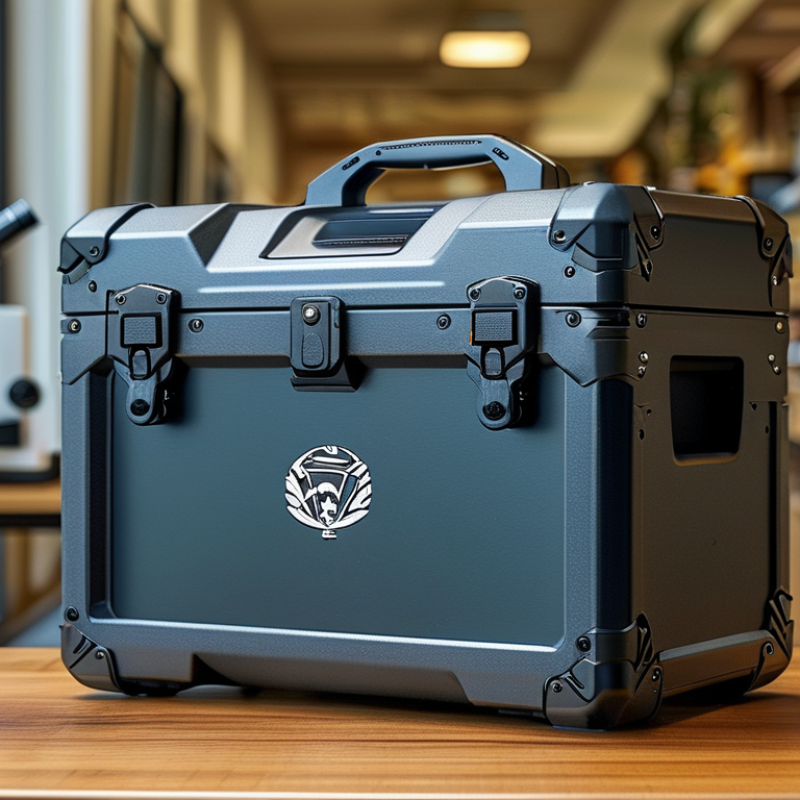
Overview of Microscope Box Supply Industry
The microscope box supply industry plays a crucial role in supporting scientific research and education globally. As per recent market research, the demand for quality microscope boxes has surged, particularly in emerging markets. This growth highlights the importance of reliable suppliers who can meet varying quality standards.
When sourcing microscope boxes, it’s essential to consider factors such as material quality and design efficiency. According to industry reports, over 70% of procurement managers prioritize sustainability in their sourcing choices. This shift encourages suppliers to adapt their production processes to align with eco-friendly practices.
**Tips:** Always verify supplier credentials. Evaluate past performance and client reviews. A supplier’s reliability can significantly impact your operations.
Additionally, the global market for microscope boxes is projected to expand by 5% annually over the next few years. However, challenges remain, including fluctuating raw material costs and regional supply chain disruptions. Suppliers must stay vigilant and responsive to these trends. Balancing cost, quality, and supply chain integrity is an ongoing struggle. Assess potential suppliers thoroughly to ensure a well-rounded partnership.
Top Microscope Box Suppliers for Your Global Sourcing Needs
| Supplier Location | Annual Revenue (USD) | Production Capacity (Units/Year) | Years in Business | Product Range |
| North America | $5 million | 50,000 | 15 | Standard & Custom Boxes |
| Europe | $10 million | 75,000 | 20 | Reusable & Biodegradable Options |
| Asia | $8 million | 100,000 | 10 | Economical & Luxury Boxes |
| Australia | $3 million | 30,000 | 5 | Compact & Specialized Designs |
| South America | $2 million | 20,000 | 8 | Export & Domestic Manufacturing |
Key Criteria for Selecting Microscope Box Suppliers
When selecting microscope box suppliers, several key criteria come into play. Quality assurance is paramount. A credible supplier should adhere to recognized industry standards. For example, ISO certification indicates that the supplier consistently meets quality benchmarks.
Cost is another crucial factor. Recent reports show that pricing can vary significantly among suppliers. A study revealed that effective sourcing can lead to savings of up to 15% on purchasing costs. However, the lowest price does not always equate to the best value. Analyzing total cost of ownership, which includes shipping and durability, is essential.
Customer reviews and supplier reliability also matter. Feedback from scientists and educational institutions can reveal insights into a supplier's trustworthiness. A survey indicated that 70% of lab managers consider peer recommendations critical in their decision-making process. While many suppliers present compelling cases, it’s vital to cross-reference their claims with independent sources. A balanced approach improves the chances of finding a supplier who aligns with your specific sourcing needs.
Top Global Suppliers of Microscope Boxes
When sourcing microscope boxes, the need for reliable suppliers is vital. Many companies specialize in manufacturing and distribution, offering a range of materials and designs. Look for suppliers who prioritize quality and durability in their products. These boxes must protect sensitive equipment from damage during transportation and storage.
Several factors impact a supplier’s credibility. Experience in the industry speaks volumes. A long-standing presence often indicates reliability. Additionally, certifications can show a commitment to quality control. Examine customer reviews carefully. Feedback from other clients can provide insights into the supplier’s strengths and weaknesses. Paying attention to these details can guide your sourcing process.
While many suppliers exist, not all will meet your specific needs. Some may lack innovative designs or customize options. Others might face delays in shipping. Communicating directly with potential suppliers can clarify their capabilities and lead times. Understand that a perfect supplier is rare. A strategic selection will help you balance quality and affordability. This might require flexibility and critical evaluation as you navigate your options.
Global Sourcing Needs for Microscope Boxes
Comparative Analysis of Supplier Offerings and Pricing
When sourcing microscopes, understanding supplier offerings is crucial. Industry reports indicate that there are over 200 reputable microscope box suppliers globally. These suppliers vary in terms of product quality, pricing, and specializations. For instance, some suppliers focus on high-end research microscopes, while others offer affordable options for educational institutions. This diversity can create challenges in selecting the right partner.
Pricing can significantly differ based on several factors. Reports show that price brackets for microscope boxes usually range from $100 to $5,000. High-end models come with advanced features, such as enhanced optics and digital capabilities, justifying their higher price. Meanwhile, budget-friendly options often sacrifice specific functionalities for cost savings. It’s important to consider total cost of ownership, including maintenance and potential upgrades.
Tip: Evaluate not just the price, but also the supplier's warranty and support services. Reliable support can enhance your purchasing decision. Another tip is to request samples before bulk purchasing. This step helps ensure quality matches your expectations, minimizing risks related to poor product choices. Always contemplate supplier feedback from previous clients, as it reflects their reliability and product performance.
Future Trends in Microscope Box Sourcing and Innovation
The landscape of microscope box sourcing is rapidly evolving. With advancements in technology, suppliers are under pressure to innovate. Many are turning to sustainable materials. This trend reflects a growing awareness of environmental impact. Companies are now seeking eco-friendly packaging solutions that do not compromise quality.
Emerging technologies also play a crucial role. Automation and smart manufacturing can enhance production efficiency. However, not all suppliers are adapting. Some still rely on traditional methods, which can lead to inconsistencies. As the market becomes more competitive, the need for reliable and innovative partners is critical. Evaluating suppliers on their ability to innovate is essential for businesses aiming for long-term success.
The focus is shifting towards modular designs. These allow for customization and flexibility in sourcing. Yet, this approach is not without challenges. Not all suppliers can provide such tailored solutions. A mismatch in capabilities can result in supply chain disruptions. Thus, a thorough assessment of potential suppliers is necessary to ensure alignment with future demands.