Top 10 Photovoltaic Connectors You Need to Know About?
In the rapidly advancing world of solar energy, understanding Photovoltaic connectors is essential. These components play a crucial role in optimizing the performance of solar systems. They ensure a safe and efficient connection between solar panels and inverters, influencing energy output.
Photovoltaic connectors vary in design and functionality. Some are robust, suitable for harsh environments, while others are lightweight and easy to install. Choosing the right type can be overwhelming, as the market offers many options. Mistakes in selection can lead to inefficiencies in energy production.
Reflecting on the diversity of photovoltaic connectors, it’s clear that knowledge is power. Each connector type serves a unique purpose and comes with specific advantages. Exploring these options can improve overall system reliability and performance. It's important to understand both the pros and the cons of each selection. Even small details, like weather resistance, can make a significant difference in the long run. Developing a clear understanding will aid in making informed choices.
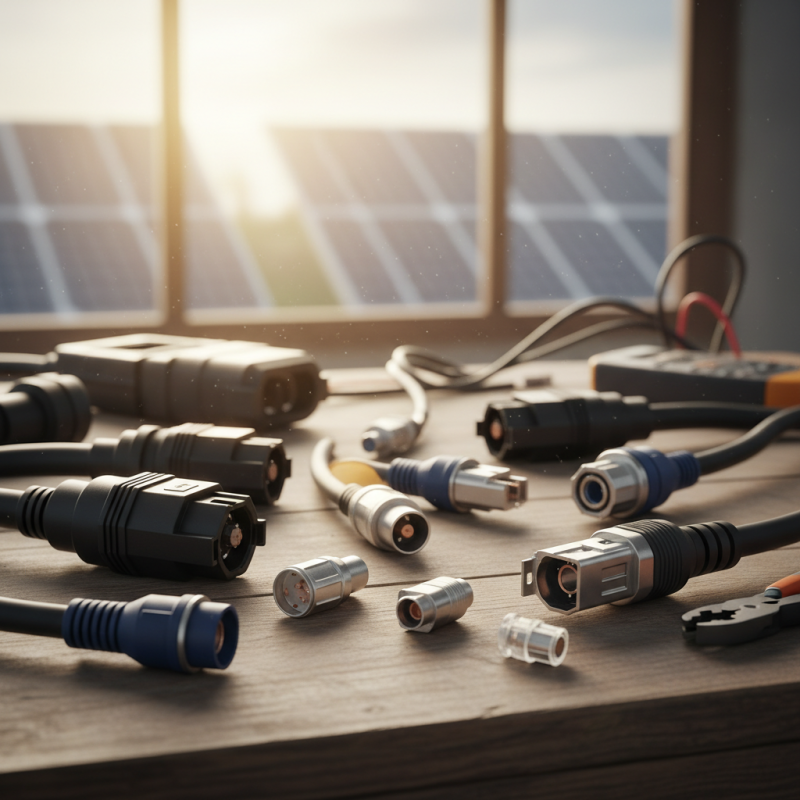
Understanding Photovoltaic Connectors: A Comprehensive Guide
Photovoltaic connectors play a critical role in solar energy systems. These components ensure safe and efficient connections between solar panels and their electrical systems. Understanding their types, specifications, and best practices is essential for both installers and users. According to the International Energy Agency, solar power capacity grew to over 900 GW in 2021. This expansion emphasizes the need for reliable connectors in handling increased energy production.
Various types of photovoltaic connectors exist, including MC4 and Tyco systems. Each type has unique features tailored to specific applications. Proper selection can impact overall system performance and longevity. A study published by the Solar Energy Research Institute revealed that improper connection methods can reduce efficiency by up to 20%. This highlights the need for both quality components and skilled installation techniques.
Despite advancements in connector technology, challenges remain. Environmental factors such as temperature fluctuations can affect performance. Furthermore, inadequate training can lead to installation errors. Installers must stay informed about emerging trends and technologies. Regularly reviewing installation standards and guidelines can mitigate risks and enhance system reliability. A proactive approach ensures optimal performance from solar installations, paving the way for a sustainable future.
Top 10 Photovoltaic Connectors You Need to Know About
| Connector Type | Application | Current Rating (A) | Voltage Rating (V) | Temperature Range (°C) | IP Rating |
| MC4 | Solar Panels | 30 | 1000 | -40 to 90 | IP67 |
| MC4-Evo 2 | Solar Arrays | 30 | 1500 | -40 to 90 | IP68 |
| Amphenol H4 | Solar Connections | 30 | 1500 | -40 to 90 | IP67 |
| Hubbell F4 | Utility Scale | 40 | 1500 | -40 to 90 | IP68 |
| SEALY | Small Scale Systems | 20 | 1000 | -40 to 85 | IP67 |
| XT60 | Battery Storage | 60 | 240 | -20 to 80 | IP55 |
| Anderson SB | Electrical Systems | 120 | 600 | -40 to 105 | IP67 |
| BNC | Communication | 5 | 240 | -20 to 85 | IP67 |
| RJ45 | Networking | 1 | 50 | -20 to 70 | IP68 |
| DIN 43650 | Sensor Connections | 10 | 250 | -25 to 85 | IP65 |
Key Features of Photovoltaic Connectors: What to Look For
When selecting photovoltaic connectors, several key features should be prioritized. Durability is essential. Connectors need to withstand harsh environmental conditions. Look for materials that resist corrosion and UV exposure. This ensures a longer lifespan and reliable connections. Furthermore, pay attention to the connector's temperature rating. High temperatures can affect performance and safety.
Another important aspect is the ease of installation. Connectors should be user-friendly. Quick and secure connections reduce the risk of installation errors. Additionally, make sure the connectors are compatible with various cable sizes and types. This flexibility can save time and effort during installation.
Water resistance is also critical. Connectors must seal well to prevent moisture ingress. This will protect the electrical components and ensure optimal operation. Lastly, while many connectors meet industry standards, not all perform equally. Always review specifications and user feedback. Some products might not deliver as promised. Take the time to choose wisely.
Top 10 Photovoltaic Connectors You Need to Know About
This chart displays the maximum current ratings for the top 10 photovoltaic connectors. When selecting connectors for photovoltaic systems, consider their current rating, as it impacts system performance and reliability.
Types of Photovoltaic Connectors: An Overview of Options Available
When it comes to photovoltaic systems, connectors play a crucial role. They ensure safe and efficient energy transfer. There are several types of photovoltaic connectors available. Each design has its unique features and applications. Understanding these options can help in making informed choices.
One popular type is the MC4 connector. It is waterproof and easy to install. MC4 connectors are widely used in solar panels. Another option is the JST connector. This type is smaller and often used in specific applications. It can be a bit tricky to work with due to its compact size. Other connectors include the Amphenol and Tyco designs, which offer robust solutions for varied settings.
Choosing the right connector can be challenging. Factors like environmental conditions and installation methods matter. It's important to reflect on your specific needs. Checking compatibility and quality can prevent issues later. Even minor mistakes in selection can lead to performance drops. Always weigh your choices carefully; the right connector can make a significant difference.
Top 10 Photovoltaic Connectors: Performance and Reliability Comparison
Photovoltaic connectors play a critical role in ensuring the performance and reliability of solar energy systems. The right connectors can significantly impact energy output and system longevity. A recent industry report indicates that the failure of connectors accounts for over 30% of system downtime. This highlights the importance of selecting quality photovoltaic connectors.
When choosing connectors, consider their environmental durability. Weatherproof and UV-resistant materials are essential for outdoor applications. The report shows that connectors with high IP ratings tend to last longer. Look for products with a rating above IP67 for optimal performance.
Tip: Regular inspection of connectors can help detect early signs of wear. It’s easy to overlook minor issues, but they can lead to significant energy loss.
Reliability also hinges on the ease of installation. Complicated connectors can lead to improper connections, increasing failure rates. Some users report struggles with alignment and mating, leading to frustration. Simplified designs often yield better results for both installers and system longevity.
Tip: Ensure connectors are compatible with your specific solar panels to avoid connection problems. Take the time to research compatibility; it pays off in the long run.
Best Practices for Installing and Maintaining Photovoltaic Connectors
When installing photovoltaic connectors, proper attention to detail is essential. Ensure that all connections are clean and free from dust. Dirt can lead to poor connectivity and system failures. Always use connectors rated for the intended voltage and current. This helps to prevent overheating and potential hazards.
Regular maintenance is important. Check connectors for signs of wear or damage. Corroded connectors can lead to inefficiencies. Consider using protective covers to shield connectors from the elements. Weather changes can affect performance over time.
During installation, take into account the working environment. Ensure connectors are accessible for future inspections. It’s a common oversight to place connectors in hard-to-reach spots. This might require tools for future checks, making maintenance a hassle. Remember, a small mistake can become a large problem in the long run.