Top Rigid Flex Board Suppliers in China for Global Buyers?
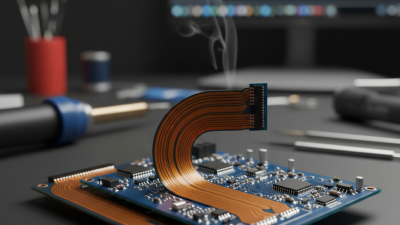
In the competitive landscape of electronics manufacturing, the demand for high-quality rigid flex boards continues to rise. These innovative components blend the flexibility of flexible circuits with the durability of rigid printed circuit boards. Renowned expert Dr. William Chen, a leading figure in the PCB industry, once stated, "The future of electronics lies in the seamless integration of rigid and flexible technologies."
China has emerged as a pivotal hub for sourcing rigid flex boards. Global buyers seek reliable suppliers who can guarantee quality and innovation. The landscape is vast, with numerous manufacturers vying for attention. Each company offers unique strengths, such as advanced technology, rapid prototyping, and customized solutions. However, navigating this market is not without challenges. Buyers must consider factors like production capacity, technological expertise, and supply chain reliability.
With so many options, the selection process can be daunting. It's essential to examine suppliers closely. Buyers should prioritize partners who demonstrate clear experience and an established reputation. In a field that rapidly evolves, keeping an eye on emerging trends and technologies is equally important. This approach ensures that buyers make informed decisions, positioning them for success in the dynamic world of rigid flex boards.
Overview of Rigid Flex Boards and Their Applications
Rigid flex boards combine the flexibility of flexible circuits with the durability of rigid boards. This unique construction allows them to be used in tight spaces where traditional PCBs struggle. They play a critical role in sectors such as medical devices, automotive, and consumer electronics. Recent industry reports indicate that the rigid flex circuit market is expected to grow significantly, reaching over $20 billion by 2027.
In medical applications, for instance, rigid flex boards are essential in devices like portable diagnostic equipment. They enable reliable performance and improved miniaturization. Such capabilities can enhance patient care while ensuring device reliability. Yet, challenges remain. Designing for flex and rigidity introduces complexities. Engineers must balance performance with manufacturability. Factors like bending radius and material choice greatly impact functionality.
Data suggests that around 30% of design flaws in rigid flex applications stem from inadequate testing and prototyping. These can lead to costly revisions down the line. Companies are increasingly relying on advanced simulation tools to mitigate these issues. However, reliance on technology can sometimes overshadow essential craftsmanship and experience in the design process. A focus on both aspects is vital for achieving optimal results in rigid flex board manufacturing.
Key Factors in Choosing Rigid Flex Board Suppliers
When selecting rigid flex board suppliers, several key factors must be considered. Quality control is paramount. A recent industry report highlighted that 30% of defective boards in production stem from poor supplier practices. Ensuring the supplier has robust quality assurance protocols is essential. This guarantees that the boards meet industry standards, thereby reducing rework costs and delays.
Another factor is production capacity. A supplier’s ability to scale production can significantly impact your business. Reports show that companies experience a 25% faster time-to-market when working with suppliers who can meet fluctuating demands. Communication is also critical. Clear lines of communication help to swiftly address any potential issues.
**Tip:** Always request samples before committing to a supplier. This allows you to assess the material quality and craftsmanship firsthand.
Sustainability practices are gaining more importance. Many global buyers favor suppliers committed to eco-friendly processes. Data indicates that companies emphasizing sustainability see a 15% increase in customer satisfaction. However, not every supplier may prioritize this, requiring you to reflect on your values versus potential options.
**Tip:** Consider long-term partnerships with suppliers who share your commitment to sustainability. This can lead to better outcomes over time.
Top Rigid Flex Board Suppliers in China for Global Buyers
| Supplier Type |
Production Capacity (sq. meters/month) |
Certifications |
Year Established |
Export Regions |
| Large Scale Manufacturer |
20,000 |
ISO 9001, UL |
2005 |
North America, Europe, Asia |
| Medium Scale Manufacturer |
10,000 |
ISO 13485 |
2010 |
Europe, South America |
| Small Scale Supplier |
5,000 |
None |
2018 |
Asia, Middle East |
| Custom Rigid Flex Board Supplier |
8,000 |
ISO 9001, RoHS |
2015 |
North America, Europe |
Top Rigid Flex Board Suppliers in China: A Detailed Review
The rapidly evolving market of rigid flex boards in China attracts global buyers seeking reliable suppliers. A thorough review reveals key attributes to look for in these suppliers. Many successful companies prioritize quality control and have certifications that assure their capability. This shows their commitment to meeting international standards.
Experience plays a crucial role in the reliability of suppliers. Companies with years in the industry often boast advanced technology and skilled labor. This expertise fosters innovation, enabling them to provide customized solutions. However, potential buyers must also be aware of emerging suppliers that may offer competitive pricing but lack established track records. Researching supplier backgrounds is essential.
Furthermore, communication is vital when collaborating with manufacturers. Teams that speak multiple languages facilitate smoother transactions. Being accessible for discussions can greatly enhance partnership success. Yet, it’s important to remember that not all interactions may meet expectations. Misunderstandings can arise, so clear and concise communication practices are always a necessity.
Comparative Analysis of Pricing and Quality Among Chinese Suppliers
When comparing rigid flex board suppliers in China, quality and pricing are crucial elements. Many manufacturers offer various products, but differences can be stark. Some excel in quality, providing boards that meet international standards. Others focus on cost-effective solutions, which may compromise durability or reliability. Understanding these trade-offs is key for global buyers.
Suppliers often have different pricing structures based on their production methods and material quality. For example, those using advanced technology can charge higher prices. However, buyers should assess whether this extra cost truly translates to better performance. Some suppliers might promise quick delivery but struggle to meet deadlines. Evaluating past performance can help buyers avoid such pitfalls.
Communication also plays a vital role in this landscape. Language barriers can lead to misunderstandings about specifications and expectations. Building a solid relationship with suppliers can mitigate these risks. Buyers should prioritize clear communication while engaging in negotiations. This ensures that both parties understand what is at stake, reducing the chance of costly errors.
Comparison of Rigid Flex Board Suppliers in China
Global Trends in the Rigid Flex PCB Market and Future Outlook
The rigid flex PCB market is experiencing dynamic shifts. Demand is rising due to the integration of flexible electronics in various industries. Innovations in technology are driving this trend. The automotive and medical fields are notable examples. Companies are keen on using rigid flex PCBs for their lightweight and space-saving designs.
Market players are adapting to these changes. They are focusing on improving production efficiency and material quality. This evolution helps in meeting global standards. However, challenges still exist. Supply chain issues can impact timely delivery. Additionally, there are variations in quality among suppliers, which may affect end product performance.
Purchasers must thoroughly assess suppliers. Conducting audits can improve reliability. Collaborating with experienced partners will ensure better outcomes. The future of rigid flex PCBs looks promising but requires careful navigation. Staying updated on market trends is crucial for success.