Why Are Pinball Machines So Popular Worldwide?
Why Are Pinball Machines So Popular Worldwide?
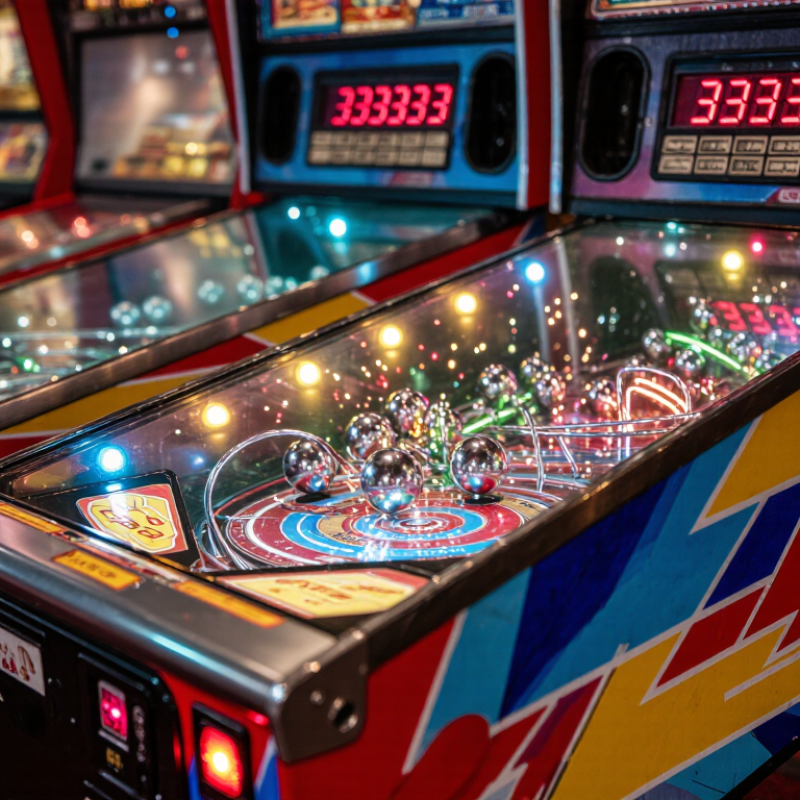
Pinball Machines remain popular because they combine physical action, visual excitement, and immediate feedback. A metal ball strikes bumpers, rolls across ramps, and triggers bright lights within seconds. Players hear bells, feel the cabinet shake, and watch their score rise. This direct sensory experience feels different from playing on a flat screen.
Modern pinball also rewards learning. Players gradually understand angles, timing, flipper control, and table design. A beginner may simply chase the ball, while an experienced player studies its movement carefully. That small improvement can create a strong sense of achievement. The challenge is visible. The result feels personal.
Their history adds another layer. Historians commonly connect modern electromechanical pinball to machines developed during the 1930s. Later electronic systems expanded sound, storytelling, and interactive features. Today, themed tables can reflect films, music, sports, science fiction, or local culture. This variety helps Pinball Machines reach different generations and communities.
They also encourage face-to-face participation. In an arcade, café, museum, or private game room, players often share advice and compare scores. A single machine can create conversation between strangers. That matters.
Still, popularity is not universal or permanent. Machines require space, maintenance, replacement parts, and careful tuning. Some players may find the cost or learning curve discouraging. This explanation may also overlook regional differences in arcade culture. Even so, the combination of skill, sound, design, and social memory gives pinball unusual staying power. It is not merely a game. It is a small mechanical performance that players help create.
Origins and Historical Development of Pinball Machines
Why Are Pinball Machines So Popular Worldwide?
Origins and Historical Development of Pinball Machines
Pinball began with older table games related to bagatelle, a nineteenth-century amusement from Europe. Players guided small balls across wooden boards filled with pins and scoring pockets. Early machines used gravity, metal pins, and simple mechanical scoring. They offered excitement without needing complex instructions.
During the 1930s, coin-operated versions became common in public entertainment spaces. The introduction of the spring plunger gave players direct control over the ball’s launch. Later, flippers transformed the experience. They allowed players to keep the ball in motion instead of watching it disappear immediately. This change made skill more important than chance.
The history is not perfectly linear. Different regions adopted new mechanisms at different times. Electromechanical systems expanded during the mid-twentieth century, adding lights, sounds, bells, and moving targets. By the late 1970s, electronic circuits enabled digital displays and more complicated scoring. Pinball then moved through arcades, cafés, private homes, and specialist museums worldwide.
Its popularity may come from this physical history. Players feel the spring vibrate and hear the ball strike metal. Every game produces a different path. Modern machines can be highly sophisticated, yet older designs still reveal their mechanical logic. Some historical accounts simplify this development too much. Pinball was not created in one moment; it changed through many small experiments, regional preferences, and occasional failures.
How Pinball Machines Work: Design, Rules, and Player Interaction
Why Are Pinball Machines So Popular Worldwide?
Pinball machines combine mechanical movement, visual feedback, and simple rules. A metal ball launches onto a sloped playfield filled with targets, ramps, posts, and bumpers. Gravity pulls the ball downward, while flippers give players brief moments of control. Each hit can trigger lights, sounds, points, or a new playing mode. The design feels physical because players can hear the ball strike metal and watch its direction change instantly.
The rules usually begin with one clear goal: keep the ball in play and score points. More advanced tables add missions, timed challenges, locked balls, and bonus multipliers. Players learn through interaction rather than long instructions. A careful shot may open a ramp, while a rushed shot can drain the ball. Even experienced players misjudge angles. That uncertainty is part of the appeal, although some machines can feel too crowded for beginners.
Tips: Watch the ball, not only the score. Use short, controlled flipper movements. Avoid hitting both flippers randomly, because timing becomes harder. Learn which targets are safe and which shots create danger. Keep the machine level, since even a small tilt can change the ball’s path. I would also question the idea that higher scores always mean better play. Sometimes, a calm recovery is more skillful than a risky jackpot attempt.
Why Are Pinball Machines So Popular Worldwide?
Typical Full-Size Pinball Machine Dimensions
A full-size pinball machine is designed around a compact cabinet, a sloped playfield, and direct player controls. Typical dimensions of about 56 cm in width, 140 cm in depth, and 190 cm in height allow the machine to fit into arcades, bars, homes, and entertainment venues worldwide. The standardized physical format supports familiar player interaction: launching a metal ball, controlling flippers, activating targets, and responding to unpredictable rebounds.
Values are representative measurements for common full-size machines; exact dimensions vary by design and production era.
The Psychological Appeal of Skill, Chance, and Immediate Feedback
Why Are Pinball Machines So Popular Worldwide?
Pinball combines skill, chance, and immediate feedback in one physical experience. A player aims the ball, controls the flippers, and watches each decision produce a visible result. Lights flash. Bells ring. Scores rise instantly. This short feedback loop can make effort feel meaningful, even when luck changes the outcome. The International Flipper Pinball Association’s public ranking database includes more than 100,000 player profiles, suggesting that competitive interest extends well beyond casual nostalgia.
Chance also creates emotional tension. A nearly missed target feels frustrating, but it can encourage another attempt. Skill provides control, while randomness prevents every game from feeling predictable. This balance resembles variable-reward systems studied in behavioral psychology. However, that explanation is incomplete. I may be over-crediting nostalgia and underestimating the social appeal of standing beside friends, sharing reactions, and learning through observation. IAAPA’s 2024 Global Economic Impact Study reported that the worldwide attractions industry supported approximately 24.5 million jobs, showing the scale of environments where interactive machines can thrive.
Tips: Watch the ball, not only the score. Notice which shots repeatedly fail. Practice gentle, controlled movements before attempting difficult targets. Set a time limit, because immediate feedback can quietly encourage longer play. Industry market reports often group pinball with broader arcade equipment, so their sales estimates should be read carefully rather than treated as precise pinball figures.
How Pinball Culture Spread Across Countries and Generations
Pinball culture spread because the machine travels well. It needs one cabinet, a power outlet, and a small social circle. In a crowded arcade, players exchange rules beside flashing playfields. A newcomer understands the goal within seconds. Mastery takes much longer.
Tournament data shows how this local ritual became international. The International Flipper Pinball Association’s 2024 rankings included players from more than 40 countries. Its calendar also recorded hundreds of sanctioned events worldwide. These figures suggest a durable network, not a short nostalgia cycle. Players meet through clubs, pubs, conventions, and online tutorials. A teenager can study a champion’s ball control, then practice the same shot after school. An older player may return for sound and muscle memory. Different reasons. Same machine.
The commercial picture supports that resilience. Grand View Research’s 2024 Arcade Games Market report estimated the global market at about US$3.6 billion in 2023. It also forecast continued growth through 2030. The figure covers arcade games broadly, so it cannot measure pinball alone. That limitation matters. Still, pinball benefits from renewed interest in physical, skill-based entertainment. In practice, strong venues make room for both generations. Coins clatter. Parents explain scoring while children discover timing themselves. The culture is global, but not uniform. Some communities prefer rankings; others value a shared laugh and one difficult final shot.
Modern Pinball: Technology, Competition, and Cultural Relevance
Why Are Pinball Machines So Popular Worldwide?
Modern pinball blends physical skill with responsive technology. A player pulls the plunger, watches the steel ball launch, and reacts within seconds. Sensors track impacts, while processors control lights, sound, scoring, and moving targets. The machine feels mechanical, yet it behaves like an interactive digital system.
Competition gives modern pinball extra energy. Players study ball control, timing, and risk management during organized matches. Rankings can encourage careful practice, not only fast reflexes. A tournament room often contains bright displays, quiet concentration, and sudden bursts of sound.
However, technology is not flawless. Complex software may distract from the satisfying rhythm of paddles and steel. That tension keeps designers thinking.
Tips: Watch the ball, not only the score. Use gentle nudges carefully. Learn each machine’s safest shots. Practice remains essential.
Pinball also stays culturally relevant because it creates shared physical experiences. Friends can stand around one cabinet, discuss strategies, and remember a difficult shot. Modern themes often reflect science fiction, music, sports, or popular storytelling without removing the machine’s tactile identity. In arcades and private collections, the flashing playfield becomes a small social stage. I sometimes find the loudest effects overwhelming. Still, the combination of competition, craftsmanship, and immediate feedback explains its worldwide appeal.
