WPC Panel Buying Tips for Global Buyers What to Consider
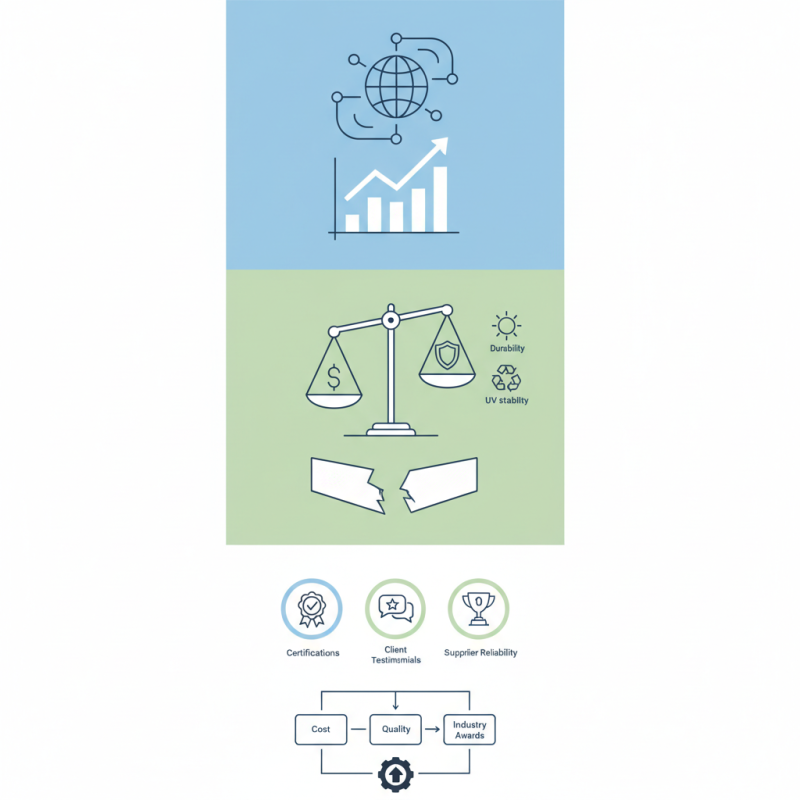
When considering Wpc Panels for global procurement, buyers face numerous challenges. Such panels combine wood fiber and plastic, offering durability and versatility. According to a recent report by Smith & Associates, the WPC Panel market is expected to grow at a compound annual growth rate (CAGR) of 12% between 2023 and 2028. This growth reflects increasing demand in construction and furniture industries.
Expert David Thompson emphasizes, “Selecting the right WPC Panel requires a balance between performance and cost.” His insight highlights a common pitfall; buyers often focus solely on price and overlook quality metrics. Critical factors include the panel's weather resistance, UV stability, and recyclability. Selecting low-quality WPC can lead to long-term problems, such as warping or fading, necessitating a return to the market for replacements.
Evaluating suppliers is equally crucial. Look for certifications, client testimonials, and industry awards. A supplier’s credibility can significantly impact project outcomes. In this evolving market, making informed choices is imperative for success. Balancing cost, quality, and supplier reliability creates lasting value in WPC Panel investments.
Understanding WPC Panels: Composition and Benefits
WPC panels, or Wood Plastic Composites, are a blend of wood fibers and plastic materials. This combination results in a versatile product offering durability and aesthetic appeal. The wood fibers provide a natural look, while the plastic helps resist moisture, decay, and pests. This makes WPC panels an excellent choice for various applications, from decking to wall cladding.
One key benefit of WPC panels is their low maintenance requirements. Unlike traditional wood, they do not need regular staining or sealing. Cleaning is simple; usually, a damp cloth is enough. However, it's essential to understand that some lower-quality WPC products can fade or warp under extreme conditions. Investing in high-quality panels minimizes these risks and ensures longevity.
When choosing WPC panels, consider the manufacturing process and materials used. Not all panels are created equal. Some might contain recycled materials, making them more environmentally friendly. However, this may also affect their performance. It's crucial to seek panels that offer a balance between sustainability and durability, ensuring your choice is both responsible and reliable.
Key Characteristics to Look for in WPC Panels
When purchasing WPC (Wood Plastic Composite) panels, several key characteristics are essential for global buyers to consider. Durability is paramount. Reports indicate that WPC panels have a lifespan of 25 to 30 years, significantly outperforming traditional wood materials. This extended durability is essential for cost-effectiveness, especially in regions where harsh weather conditions prevail.
Another vital aspect is the environmental impact. Many buyers are looking for products that contain a high percentage of recycled materials. Research shows that sustainable WPC panels can reduce plastic waste by up to 30%, making them an eco-friendly choice. Look for certifications that confirm the recyclability of the materials used, as these can greatly enhance a product’s reliability.
Aesthetic appeal should not be overlooked. WPC panels come in various finishes, colors, and textures, allowing for creative design flexibility. Investing in panels that mimic natural wood while providing better resistance to fading and moisture can also aid longevity. However, inconsistencies in color and texture can sometimes occur. Thus, asking for samples before a bulk purchase is imperative to ensure the chosen product meets your expectations.
Evaluating Supplier Credibility and Quality Assurance
When considering a supplier for WPC panels, evaluating their credibility is crucial. Start by checking their online presence. Reliable suppliers should have a professional website and active social media profiles. Look for customer reviews and feedback. These insights reveal the supplier's reputation and service quality.
Next, assess their quality assurance practices. Ask about their manufacturing processes and materials. A trustworthy supplier provides certifications that validate their product quality. Awareness of industry standards is essential. Suppliers should be willing to share testing procedures and results.
Finally, reflect on your findings. A lack of transparency can indicate potential issues. Trust your instincts if something feels off. It’s vital to partner with a supplier who prioritizes quality and honesty. This approach will enhance your purchasing experience and ensure you receive high-quality WPC panels.
WPC Panel Buying Tips for Global Buyers
| Criteria | Description | Importance Level |
| Supplier Experience | Years in business and industry expertise. | High |
| Quality Assurance Certifications | Presence of ISO or other quality assurance certifications. | High |
| Product Samples | Availability of samples for evaluation before bulk purchasing. | Medium |
| Customer Reviews | Feedback from previous buyers regarding product quality and service. | High |
| Production Capacity | Supplier's ability to meet demand volume within the required time frame. | Medium |
| After-sales Support | Availability of support for installation and maintenance post-sale. | High |
| Pricing Transparency | Clarity in pricing structures and potential additional costs. | Medium |
Cost Considerations: Budgeting for WPC Panel Purchases
When budgeting for WPC panel purchases, it is crucial to account for material quality and availability. According to industry reports, WPC market growth is projected to reach over $10 billion by 2027, driving up demand. This surge often affects pricing. A reliable source of WPC panels can help mitigate unexpected costs. Yet, selecting lower-cost options may lead to inferior quality, which can result in higher long-term expenses.
Shipping and installation costs must also be factored in. Shipping rates have increased by an average of 15% in recent years. Global supply chain disruptions further complicate pricing structures. Installing WPC panels requires skilled labor, and labor costs can vary significantly by region. Ensure you gather multiple quotes to make a well-informed decision. Failure to consider these aspects can lead to overspending.
Investing time in research is vital. Utilize industry forecasts and consult professionals. Though a lower upfront price may seem appealing, long-term insights reveal that durability and performance are key. Striking a balance between cost and quality will ultimately yield better results, as skimping now can result in costly repairs or replacements in the future.
Sustainability Factors in WPC Panel Production and Sourcing
When considering WPC panel production and sourcing, sustainability is paramount. The materials used in WPC panels typically include wood fibers and polymers. Both components can have significant environmental impacts. Using recycled materials can greatly reduce resource consumption. Buyers should ask about sourcing practices for wood and plastics. Sustainable forestry and recycled plastics are essential.
Manufacturing processes also play a critical role. Eco-friendly production methods can reduce emissions and waste. Manufacturers should prioritize energy efficiency. Some processes can achieve this by utilizing renewable energy sources. Testing for formaldehyde emissions is also crucial. Such measures enhance the environmental profile of WPC panels.
It’s important to question certifications. Look for products certified by reputable environmental standards. Not all manufacturers adhere to the same environmental regulations. Research and ensure due diligence to verify claims. Engaging with suppliers who are transparent about their practices fosters accountability. Not every product labeled as “sustainable” will meet rigorous criteria. Stay vigilant and challenge information provided by manufacturers.