2026 Top Trends in Flex PCB Assembly for Global Buyers
In the rapidly evolving landscape of electronics, understanding the latest trends in flex PCB assembly is crucial for global buyers. Experts like Dr. Jane Thompson, a leading figure in flexible electronics, emphasize the importance of innovation. She once remarked, "Flex PCB assembly will redefine how we approach circuit design." Her insights reveal not just trends, but also the shifting paradigms in the industry.
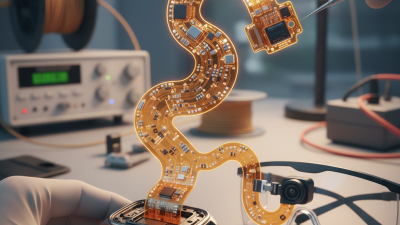
Flex PCB assembly is becoming more versatile, catering to diverse applications from consumer electronics to medical devices. As demand grows, buyers must be aware of emerging technologies and materials. The trend towards miniaturization challenges manufacturers to enhance functionality while ensuring reliability. Flex PCBs must strike a balance between flexibility and durability, making design choices and material selection critical.
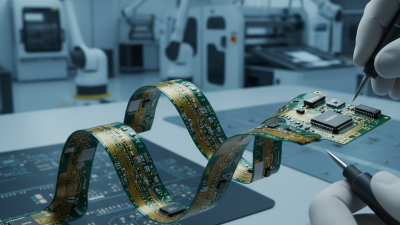
While advancements are promising, challenges persist. Many manufacturers face difficulties in maintaining quality during mass production. Flex PCB assembly requires precision in every step, and one oversight can lead to failures in the final product. This highlights the need for continuous improvement and adaptation in manufacturing processes. Buyers must stay informed and adaptable to navigate this ever-changing landscape effectively.

Future Innovations in Flex PCB Assembly Techniques
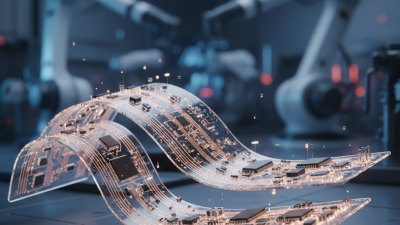
The future of flex PCB assembly showcases exciting innovations that could reshape the industry. Advanced techniques, such as robotic automation, are set to enhance precision and efficiency. Using robotic systems can reduce production errors and speed up the assembly process significantly. However, transitioning to these technologies requires careful planning and training of personnel.
Exploring new materials plays a vital role in flex PCB development. The integration of high-performance polymers offers improved flexibility and thermal resistance. These advancements aid in designing more compact electronic devices. However, buyers must critically assess the trade-offs between material costs and performance benefits.
It is essential for buyers to stay informed about emerging trends in flex PCB assembly. Attend industry conferences and workshops to network with experts. Adapting to innovations can be challenging. Evaluate whether your current processes align with future advancements. Seek advice from experienced professionals to avoid common pitfalls in implementation.
Sustainability Trends Impacting Flex PCB Manufacturing
Sustainability is reshaping the landscape of flex PCB manufacturing. As global consciousness about environmental impact rises, manufacturers are exploring eco-friendly materials and processes. This shift is not just a trend; it's a necessity for responsible production. Biodegradable materials are now viable options for fabricating flexible circuits. Such materials reduce waste and improve recycling potential.
Implementing energy-efficient practices in factories can significantly decrease the carbon footprint. Many manufacturers are investing in renewable energy sources. This transition not only helps the environment but also reduces long-term costs. Factories that prioritize low-impact operations are gaining competitive advantages.
One practical insight is to engage suppliers who prioritize sustainability. This collaboration can enhance your supply chain's eco-friendliness. Additionally, consider the lifecycle of PCB products. Design for longevity and recyclability can have profound effects on overall sustainability. Incorporating these approaches may challenge traditional methods, but the potential benefits are substantial. Aim for innovation while being environmentally responsible. The path may not be straightforward, but it is essential for the future.
Advancements in Materials for Flexible PCB Assemblies
Advancements in materials for flexible PCB assemblies are shaping the landscape of technology in 2026. Innovative polymers are gaining traction. These materials offer improved durability and thermal performance. Their lightweight nature makes them ideal for compact devices. Manufacturers are focusing on sustainable options as well. Eco-friendly materials not only reduce waste but also meet modern regulatory standards.
Conductive inks have also evolved significantly. They ensure better conductivity on flexible surfaces, enhancing performance. Manufacturers are experimenting with different formulations to improve flexibility without sacrificing electrical properties. However, this is not without challenges. Balancing conductivity and flexibility can be tricky.
The integration of new materials into existing manufacturing processes is another hurdle. Equipment may need upgrades to handle these innovations. Not all manufacturers can afford to invest in new machinery. This creates a gap between those who can adapt and those who struggle. As the industry progresses, ongoing evaluation of material choices remains crucial. Continuous feedback from engineers and designers will drive further improvements.
Market Dynamics Shaping Global Demand for Flex PCBs
The demand for flexible printed circuit boards (flex PCBs) is evolving rapidly. As technology advances, more industries are recognizing the benefits of flexibility and lightweight designs. Companies across sectors, including automotive, medical, and consumer electronics, are pushing the boundaries of what flex PCBs can achieve.
Market dynamics are shifting. Increased automation and miniaturization amplify the need for compact and versatile circuit solutions. Challenges persist. Sourcing high-quality materials remains a concern for many manufacturers. Balance is required between cost and quality to meet the growing expectation for reliable performance.
Stay informed about emerging materials. New innovations can improve durability and conductivity. Explore partnerships within the supply chain; collaboration may lead to better sourcing strategies. Keep an eye on sustainability trends. Green materials and processes will become crucial for compliance and market preference. Adaptability in production processes will be key. Companies must be prepared to pivot based on market demands and technological advancements.
2026 Top Trends in Flex PCB Assembly for Global Buyers
| Trend |
Description |
Impact on Market |
Predicted Growth (%) |
| Miniaturization |
Increase in demand for smaller and lighter devices leads to more flexible PCB applications. |
Higher demand for flexible components in consumer electronics. |
15% |
| Sustainability |
Growing preference for eco-friendly materials and manufacturing processes. |
Shift in buyer behavior favoring sustainable sourcing. |
20% |
| Automation in Assembly |
Incorporation of automated processes to reduce production costs and increase efficiency. |
Enhanced production capabilities and lower operational costs. |
18% |
| 5G Technology |
Expansion of 5G networks driving the need for advanced flexible PCBs. |
Significant growth in telecommunications and IoT devices. |
25% |
| Wearable Technology |
Rising trend of wearable devices requiring advanced flexibility in design. |
Expanding consumer market for health and fitness trackers. |
22% |
Integration of Smart Technologies in Flex PCB Design and Production
The adoption of smart technologies in flex PCB design and production is revolutionizing the industry. With a projected market growth of 11.5% CAGR from 2022 to 2028, integrating smart features is becoming essential. Advanced electronics demand flexibility and adaptability, making smart technologies vital for modern designs.
Autonomous production processes now incorporate AI and IoT. These technologies enhance productivity and reduce errors. For instance, automation in flex PCB assembly can improve efficiency by approximately 30%. However, reliance on smart technology raises questions about cybersecurity. As systems become more connected, potential vulnerabilities increase.
In designing smart flex PCBs, consider the balance between innovation and reliability. While advanced features attract customers, they also introduce complexity. Fostering a culture of continuous improvement is essential, as industries adapt to evolving demands. Effective training for staff on new technologies is crucial.
Flexible PCBs are not just about innovation; they require introspection. Companies should evaluate the impact of smart technologies on manufacturing practices. The future will favor organizations that merge cutting-edge solutions with robust security. This path may not be straightforward, but it is necessary for sustainable growth in the flex PCB market.