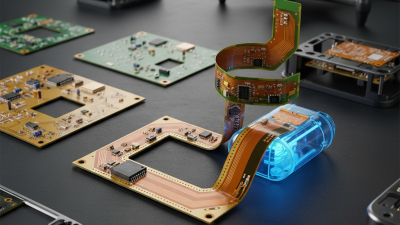
Best Flexible PCB Fabrication Methods for Global Buyers?
The demand for flexible PCB fabrication is on the rise, driven by advancements in electronic device design. According to a recent market research report, the flexible printed circuit board market is projected to reach $28 billion by 2027. This growth reflects the increasing need for lightweight and adaptable circuit solutions across various industries, including consumer electronics and medical devices.
Flexibility in PCB design allows for more intricate layouts that save space and improve performance. However, manufacturers face challenges in material selection and production processes. Many buyers are navigating complex supply chains to find reliable partners for their flexible PCB fabrication. Establishing trust with suppliers is crucial. The right choice can lead to innovative designs, while mistakes may result in costly delays.
As the industry evolves, staying informed about the latest fabrication techniques is essential. Trends show a shift towards eco-friendly materials and advanced printing technologies. Yet, not all methods are suitable for every application. Buyers must weigh the pros and cons carefully to ensure optimal performance and reliability.
Overview of Flexible PCB and Its Importance in Modern Electronics
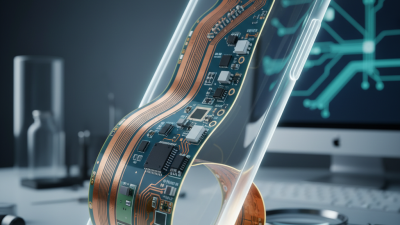
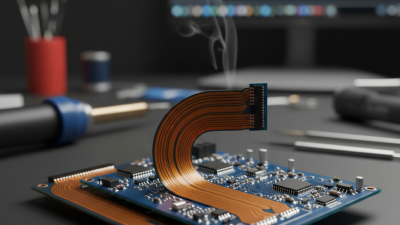
Flexible printed circuit boards (PCBs) are essential for modern electronics. They enable devices to become thinner and lighter. This flexibility allows for unique designs that fit into small spaces. According to industry reports, the global flexible PCB market is projected to reach $28 billion by 2026. This growth indicates a rising demand for flexibility in electronic devices.
The importance of flexible PCBs extends beyond form factor. They enhance electrical performance through better signal integrity and reduced weight. Flexible PCBs can endure bending and twisting, making them ideal for wearables and mobile devices. A recent study highlighted that using flexible PCBs can also reduce assembly costs by up to 30%. This efficiency attracts designers looking for cost-effective solutions.
Challenges exist alongside these benefits. Manufacturing flexible PCBs can be complex. Issues like delamination and material degradation must be addressed. Additionally, achieving consistent quality can be difficult. Buyers must ensure their manufacturers employ advanced techniques to overcome these obstacles. Selecting the right fabrication method is crucial for optimal performance and reliability in the final product.
Common Applications of Flexible PCBs Across Various Industries
Flexible printed circuit boards (PCBs) are becoming essential in many industries. Their lightweight nature and adaptability make them ideal for various applications. In consumer electronics, for example, they allow for compact designs. Flexible PCBs fit into small spaces, enabling thinner devices like smartphones and wearables. This flexibility enhances functionality without compromising performance.
In the automotive sector, flexible PCBs play a crucial role. They are used in control systems and sensors. Their ability to withstand harsh conditions is significant. Additionally, flexible PCBs aid in improving signal transmission in vehicles. Their reliability supports critical safety features. Medical devices also benefit from this technology. Flexible PCBs enable compact and portable equipment. They support features like flexible displays and wearables for health monitoring.
However, not all applications can fully leverage the benefits of flexible PCBs. There are challenges in their manufacturing process. For instance, the assembly process can be more complex than that of rigid PCBs. This complexity can lead to higher production costs. Addressing these challenges requires expertise and careful planning. As industries continue to evolve, so too do the methods for PCB fabrication, pushing the boundaries of what's possible.
Key Factors to Consider When Choosing PCB Fabrication Methods
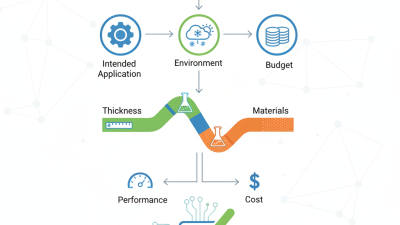
When choosing flexible PCB fabrication methods, several key factors demand careful consideration. Material selection is paramount. The substrate material should have thermal and mechanical stability to withstand various conditions. Polyimide is a popular choice due to its excellent temperature resistance and flexibility. According to recent industry reports, the demand for polyimide boards is projected to grow by 6.4% annually through 2027.
Cost also plays a crucial role. High-quality materials often come at a premium. Yet, lower costs can lead to compromises in durability and performance. It’s essential to balance initial expenses with long-term reliability. A study noted that production costs could vary by up to 30% based on chosen fabrication techniques. Thus, comprehensive cost analysis is necessary.
Manufacturing capabilities should not be overlooked. Suppliers must offer advanced techniques. This includes laser cutting and via hole technology, which improve precision. However, not all manufacturers are equipped with the latest technology. A significant percentage of companies reported challenges with lead times and quality consistency. Research indicates that inadequate quality assurance can result in a 20% increase in rework costs, prompting businesses to conduct thorough evaluations of their potential partners.
Best Flexible PCB Fabrication Methods Comparison
This chart illustrates the popularity of various flexible PCB fabrication methods among buyers. The data is based on interest levels in different methods, highlighting trends in the industry.
Different Fabrication Techniques for Flexible PCBs Explained
Flexible printed circuit boards (PCBs) have become essential in various industries due to their lightweight and adaptable nature. Different fabrication techniques enable manufacturers to meet diverse requirements. The two primary methods include
additive and
subtractive fabrication. The additive process builds up conductive layers, while subtractive methods remove excess material from a base layer. According to industry reports, additive techniques have gained traction, especially for complex designs.
In recent years, the global flexible PCB market has grown at an impressive rate, with projections indicating it will reach
$40 billion by 2027. This growth reflects an increasing demand for compact electronics. Companies are now exploring new techniques like
printed electronics and
3D printing, which promise higher efficiency and lower costs. However, challenges remain in achieving optimal reliability and durability, especially in high-stress applications.
Manufacturers must also consider environmental impacts. The adoption of
eco-friendly materials is on the rise, yet sourcing and implementing these alternatives can be complicated. It is crucial for buyers to reflect on the trade-offs of various fabrication methods and select the one that aligns with their specific goals. This balance between innovation and sustainability will define future flexible PCB development.
Best Practices for Sourcing Flexible PCBs from Global Suppliers
Sourcing flexible printed circuit boards (PCBs) from global suppliers involves careful consideration of multiple factors. Research indicates that the flexible PCB market is projected to reach $20 billion by 2027. This growth highlights the increasing importance of reliability in sourcing practices. Buyers should focus on suppliers that demonstrate both manufacturing capability and industry experience.
When evaluating potential suppliers, quality assurance is crucial. A study by IPC revealed that 70% of failed PCBs were due to manufacturing defects. Establishing clear quality control standards can mitigate this risk. Look for suppliers who implement rigorous testing processes. Certifications like ISO 9001 can signal a commitment to quality.
Consider the geographical distribution of suppliers. Proximity can affect lead times and shipping costs. Engaging with suppliers located in key manufacturing hubs can enhance flexibility and responsiveness. However, overlooking smaller, niche suppliers can lead to missed opportunities. Many specialized manufacturers offer unique innovations that larger firms might overlook.
It’s wise to regularly review supplier performance. Gathering feedback from engineering teams can provide insights into product quality and service reliability. Consistent communication can foster a stronger partnership, helping ensure that you meet your production needs effectively. Aim for collaboration over mere transactions.
Best Flexible PCB Fabrication Methods for Global Buyers
| Method |
Advantages |
Disadvantages |
Best Use Cases |
| Roll-to-Roll (R2R) Manufacturing |
High throughput, cost-effective for large volumes |
Requires specialized equipment, limited to certain materials |
Consumer electronics, medical devices |
| Laser Cutting |
High precision, flexible design changes |
Slower than traditional methods, potentially higher costs |
Prototyping, small batch production |
| Printed Electronics |
Flexible designs, lightweight |
Lower performance in some applications |
Wearables, smart packaging |
| Etching |
Reliable and scalable for various designs |
Environmental concerns, longer setup time |
Automotive, aerospace applications |
| Injection Molding for Connectors |
High volume production, strong structural integrity |
High initial tooling costs |
Connectors in household and industrial electronics |