China Best Multilayer PCB Manufacturer for Global Buyers?
In the fast-evolving landscape of electronics, the significance of multilayer PCBs cannot be overstated. As companies seek quality and innovation, China's multilayer PCB manufacturers have risen to prominence. Expert Jane Doe, a leading figure in PCB technology, emphasizes, "Quality multilayer PCBs are vital for the reliability of modern electronics."
These multilayer PCBs serve as the backbone for devices ranging from smartphones to advanced medical equipment. Buyers now face the challenge of discerning which manufacturers meet their stringent requirements for quality and performance. The multitude of options can be overwhelming. It's imperative for global buyers to thoroughly evaluate manufacturers, focusing on their expertise and production capabilities.
While many manufacturers claim to offer top-tier multilayer PCBs, discerning buyers know that not all meet industry standards. Some companies may provide inferior products that compromise device reliability. This reality necessitates a cautious approach, ensuring that investments align with quality expectations and regulatory standards. Reflecting on this complex landscape illustrates the importance of careful consideration in choosing the right multilayer PCB partner in China.
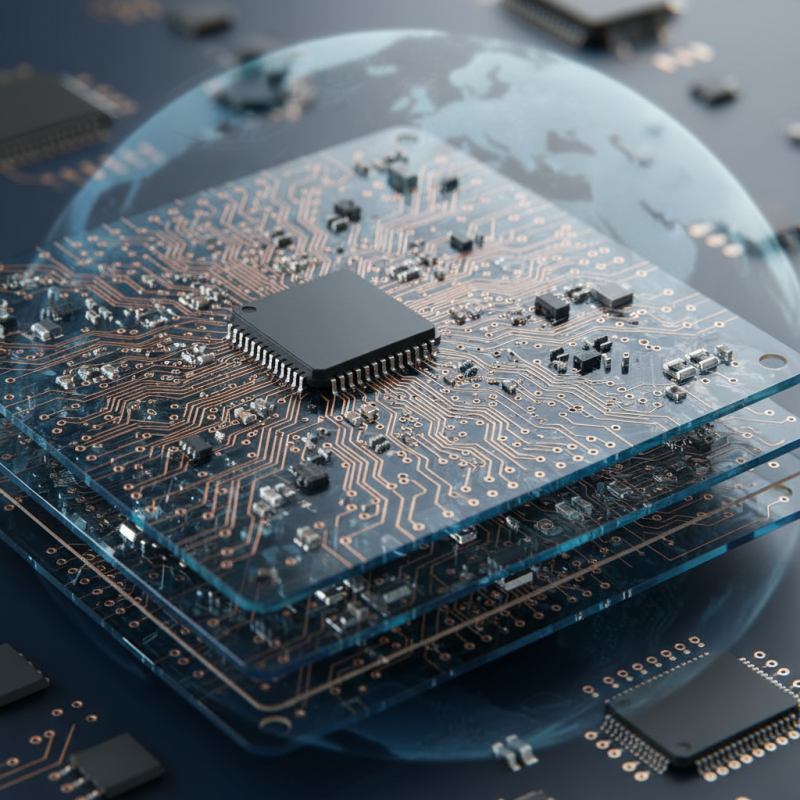
Overview of Multilayer PCB Manufacturing in China
Multilayer PCB manufacturing in China has gained significant attention from global buyers. The country boasts a wide range of manufacturers with the capability to produce complex circuits. Many factories have invested in advanced technology, ensuring high-quality output. This progress caters to various industries, including telecommunications, automotive, and consumer electronics.
However, challenges remain. Some manufacturers may compromise quality to reduce costs. Issues with consistency can arise when scaling production. Buyers must carefully evaluate potential partners to ensure reliability. Third-party inspections can help mitigate risks and enhance trust.
China's multilayer PCB market is diverse and competitive. Expertise in manufacturing continues to evolve, yet buyers must remain vigilant. The landscape is shifting, demanding adaptable approaches from both manufacturers and buyers. Collaboration may lead to innovative solutions. Careful consideration is essential for successful partnerships in this thriving industry.
Key Features of Top PCB Manufacturers in China
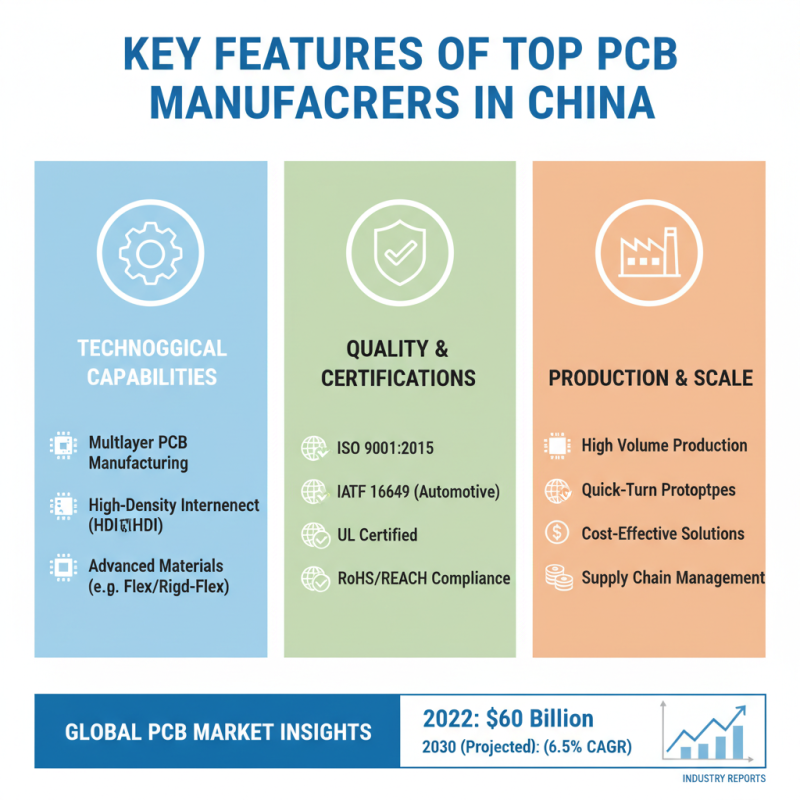
When considering multilayer PCB manufacturing in China, several key features set top manufacturers apart. According to industry reports, the global PCB market was valued at $60 billion in 2022 and is expected to grow at a CAGR of 6.5% through 2030. This growth highlights the importance of choosing a reliable manufacturer that meets international standards.
Quality assurance is paramount. Many leading manufacturers implement rigorous testing protocols to ensure product reliability. For instance, IPC standards are widely adopted for multilayer boards. Advanced manufacturing techniques, like automated optical inspection (AOI) and flying probe testing, enhance accuracy and reduce defects.
Manufacturers should also emphasize customization capabilities. A diverse range of thicknesses and materials allows better fit for various applications. Flexibility in design changes during the production process reflects a manufacturer’s expertise. Timely communication and responsiveness are also vital traits that enhance trust.
Tip: Always evaluate a manufacturer’s certifications and quality control processes. This can significantly impact your project’s success. Remember that not all manufacturers may be equipped to handle specific technical needs. Ensure they have experience in your industry segment.
Quality Standards and Certifications for Multilayer PCBs
The quality standards for multilayer PCBs are crucial for ensuring reliable performance. Multilayer PCBs, which can have up to 20 layers, require meticulous attention to detail in their manufacturing. A manufacturer needs to adhere to IPC standards, which outline how boards should be designed and produced. Effective thermal management and durability are key factors that must be considered.
Certifications such as ISO 9001 demonstrate a manufacturer’s commitment to quality management systems. A reputable manufacturer should not only have certifications but also a proven track record. Testing methods like X-ray inspection and electrical testing ensure that every board meets specific performance criteria. The challenge remains in balancing quality with cost-effectiveness. Not all manufacturers achieve this balance.
Transparency in the manufacturing process is essential for building trust. Buyers should inquire about testing procedures and quality assurance practices. Not all companies communicate these details well. Clear insights into production capabilities can help buyers make informed decisions. As the demand for multilayer PCBs rises, ensuring quality remains a complex task for many manufacturers. Their approach to quality control can vary widely, so due diligence is vital.
Cost Analysis: Why Choose Chinese Manufacturers?
When considering multilayer PCB manufacturing, cost is a significant factor. Chinese manufacturers often offer lower prices due to various advantages. These include reduced labor costs and economies of scale. Many factories operate with advanced machinery, maintaining high efficiency. This allows them to produce quality products at competitive rates.
The price advantage doesn’t come without risks. Some manufacturers may prioritize cost over quality, leading to potential defects. It’s crucial to conduct thorough research before partnering with a manufacturer. Buyers should ask for samples and check certifications. Quality assurance processes must be clear and reliable. Also, communication barriers can arise, affecting project timelines.
Navigating the PCB manufacturing landscape requires a balance between cost and quality. Established manufacturers have proven experience and knowledge, adding value beyond just low prices. Engaging with them can mitigate risks associated with cheaper alternatives. It’s essential to weigh all these factors carefully. The right choice often involves more than just looking at cost.
Global Market Trends and Opportunities for Chinese PCBs
The global PCB market continues to expand, with multilayer PCBs becoming integral in high-tech applications. According to industry reports, the multilayer PCB market is projected to grow at a CAGR of 10% from 2022 to 2028. This growth is driven by increased demand in sectors such as telecommunications, automotive, and consumer electronics. Chinese manufacturers are playing a pivotal role, leveraging advanced technologies and competitive pricing.
Opportunities in the global market remain significant for Chinese multilayer PCB manufacturers. The rise of electric vehicles and 5G technology has created a surge in demand for high-density interconnect PCBs. By 2025, it is estimated that the electric vehicle market will require more than 200 million PCBs annually. Despite this potential, challenges persist. Issues such as supply chain disruptions and quality control can impact the reliability of production. Therefore, continuous improvement in manufacturing processes is essential to meet global standards.
In addition, international buyers are increasingly concerned about sustainability and ethical sourcing. The push for greener manufacturing practices is influencing purchasing decisions. Chinese manufacturers must adapt to these changing preferences. Transparency in operations and sustainable practices will be crucial in securing long-term relationships with global clients. Addressing these aspects could differentiate manufacturers in a competitive landscape.
Multilayer PCB Production Volume in China (2022-2023)