How to Choose the Best Multilayer PCB for Your Project?
Choosing the best multilayer PCB for your project can be challenging. Understanding the specific needs of your application is essential. Multilayer PCBs offer several advantages, such as space efficiency and improved performance. However, without careful consideration, you might face issues later on.
A multilayer PCB has multiple layers of circuitry. This complexity can provide enhanced functionality. But, it also demands a deeper knowledge of materials and design techniques. You need to reflect on whether the features you require align with the costs involved.
Evaluating different manufacturers is integral. Reliability and quality can vary widely. Reviews and testimonials from other engineers can provide critical insights. Ultimately, selecting the right multilayer PCB requires not just technical know-how, but also an understanding of your project's unique demands. Mistakes can lead to project delays or failure. Therefore, make informed choices to avoid pitfalls.
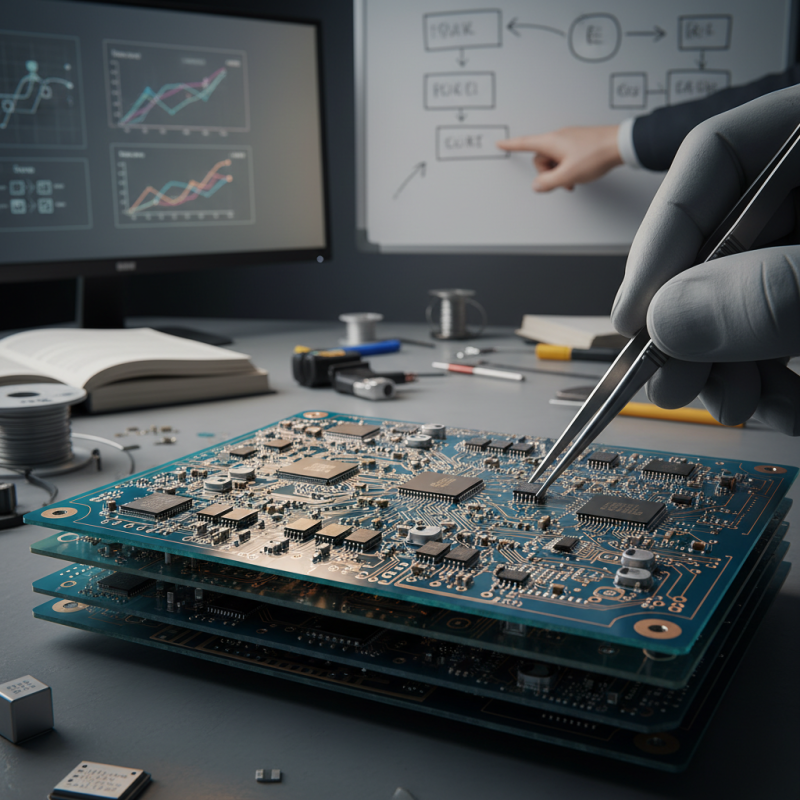
Understanding the Basics of Multilayer PCBs and Their Applications
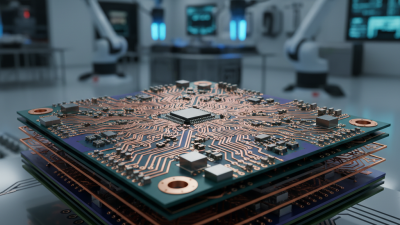
Multilayer PCBs, or printed circuit boards, are essential in modern electronics. These boards consist of multiple layers of conductive pathways and insulating materials, allowing for complex circuit designs. Understanding their structure is crucial. Each layer serves a specific purpose, including power distribution and signal integrity. This complexity enables the integration of many components into a compact space.
The applications of multilayer PCBs are vast. They are utilized in smartphones, computers, medical devices, and automotive systems. The stacking of layers enhances performance by reducing interference and improving thermal management. However, designing a multilayer PCB can be challenging. Engineers must consider layer count, material selection, and manufacturing processes. Errors in these areas can lead to costly revisions. Furthermore, as technology evolves, staying up-to-date with the latest trends and materials is vital.
When choosing the best multilayer PCB for your project, focus on the project's specific needs. Ask questions about signal integrity, size limitations, and thermal performance. Collaboration with experienced manufacturers can lead to better outcomes. Reflect on previous projects to avoid past mistakes. This iterative process fosters growth and innovation in PCB design.
Key Considerations for Selecting the Right Material and Layer Count
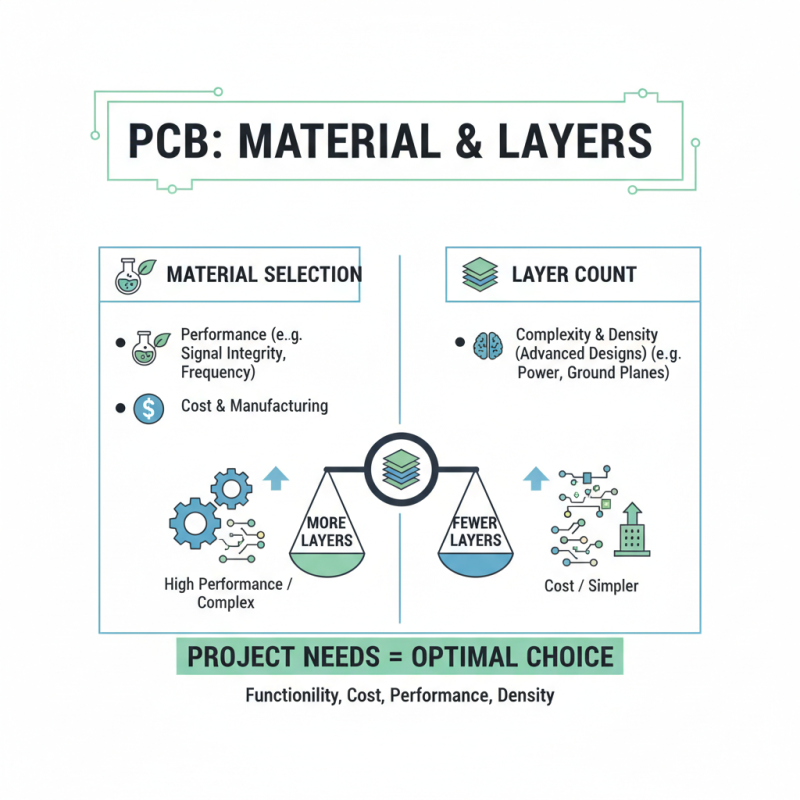
Choosing the right material and layer count for your multilayer PCB is essential. The layer count affects the PCB's functionality and complexity. More layers can increase the density and enable advanced designs. However, with more layers, your costs may rise. Think about your project’s specific needs.
Material selection is equally crucial. Common materials include FR-4 and Rogers, each with unique properties. FR-4 is versatile and cost-effective, suitable for many applications. Rogers provides better performance at high frequencies but is pricier. Understanding your project's requirements can help you make an informed choice.
**Tips:** Always consider thermal management. High layer counts can lead to heat buildup. Also, evaluate signal integrity. Layers can impact how signals travel across the board. Testing prototypes can reveal unexpected issues. Reflecting on these aspects can lead to better design decisions.
Evaluating Design Requirements: Size, Complexity, and Performance Needs
When selecting a multilayer PCB, design requirements play a critical role. Size constraints can affect layout options. A compact board may limit component placement. Consider your project's specific dimensions early in the design phase. If the board is too small, you may face issues with thermal management.
Complexity is another key factor. More layers typically allow for increased functionality. However, this can complicate the manufacturing process. You must evaluate if the added complexity aligns with your project needs. Simpler designs are often more reliable. Think about how many vias and traces are necessary. Too many can result in signal loss.
Performance requirements are crucial as well. High-speed applications demand careful attention to impedance and crosstalk. A tighter design can improve performance but may require sophisticated simulation tools. Always assess trade-offs between performance and manufacturability. Balancing these aspects can be challenging but is essential for successful outcomes.
Comparing Manufacturing Processes and Their Impact on PCB Quality
When selecting a multilayer PCB for your project, understanding manufacturing processes is crucial. A report from IPC indicates that defect rates can vary significantly, ranging from 1% to 5% across different manufacturers. This variation often stems from the methods used in the PCB assembly process. For instance, using traditional methods may introduce more human error compared to automated processes, leading to potential flaws in the final product.
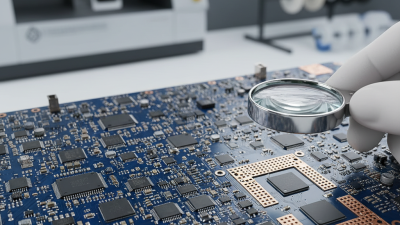
PCB quality is also influenced by material selection. Research shows that high-quality laminates can improve thermal performance and decrease failure rates. Process control, such as consistent etching and precise drilling, directly impacts layer adhesion. Inadequate control can result in delamination, which may not be evident until the PCB is in operation. Choosing suppliers who emphasize these factors can prevent costly redesigns.
Tolerances play a crucial role too. Reports indicate that 60% of PCB failures occur due to improper tolerances during manufacturing. If tolerances are too tight, it may lead to manufacturing issues. Alternatively, too loose tolerances can affect performance. Assessing both quality control measures and material specifications helps mitigate these risks effectively.
Leveraging Cost-Effectiveness without Compromising on Reliability
When selecting a multilayer PCB, cost-effectiveness is crucial. Many projects have tight budgets. However, saving money shouldn't mean sacrificing reliability. Achieving the right balance is essential. Consider the complexity of your design. A simpler layout can often reduce costs significantly. Yet, complexity might enhance performance and functionality.
Look into various materials available for PCB construction. Not all materials offer the same reliability, even if they seem budget-friendly. Some cheaper options may lead to faster wear and tear. Therefore, it’s essential to invest wisely. Evaluate your project's specific requirements carefully. This involves understanding how factors like thermal management and signal integrity affect your overall design.
Reflect on the long-term implications of your choices. A low-cost PCB may seem appealing but could cost more down the line. Reliability issues can lead to product failures. These failures not only incur financial losses but also damage your reputation. Thorough research and professional insights can guide you towards making informed decisions. Embracing a strategic approach to PCB selection is key for achieving both cost-effectiveness and reliability.
Cost-Effectiveness vs Reliability in Multilayer PCB Selection
This chart illustrates the balance between cost-effectiveness and reliability when choosing a multilayer PCB for your project. While both factors are crucial, the data suggests that reliability holds slightly more importance in decision-making processes.