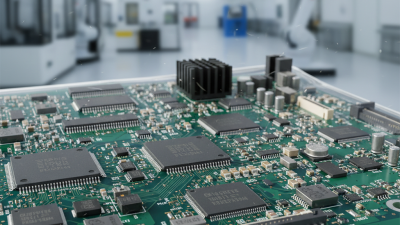
Why Choose Rigid Flex Board for Your Electronics Needs?
As the electronics industry evolves, choosing the right materials becomes crucial. Rigid flex boards stand out for their unique advantages. These innovative circuit boards combine the best of rigid and flexible technologies. “Rigid flex boards offer unparalleled design flexibility and durability,” says Dr. Emily Chang, a leading expert in flexible electronics.
When discussing electronics needs, one must consider various factors. Rigid flex boards provide compactness without compromising performance. They enable complex circuit layouts in confined spaces. This combination fosters creativity in design. Low-weight applications benefit significantly from their use. Moreover, the reliability of rigid flex boards is noteworthy. They can withstand harsh conditions that regular boards may fail to endure.
However, it’s essential to reflect on potential challenges. The manufacturing process can be complex and costlier compared to traditional boards. Understanding application requirements is critical for success. A careful evaluation of performance needs versus budget constraints must occur. Embracing rigid flex boards means balancing innovation with practicality. In this landscape, informed decisions lead to long-term benefits.
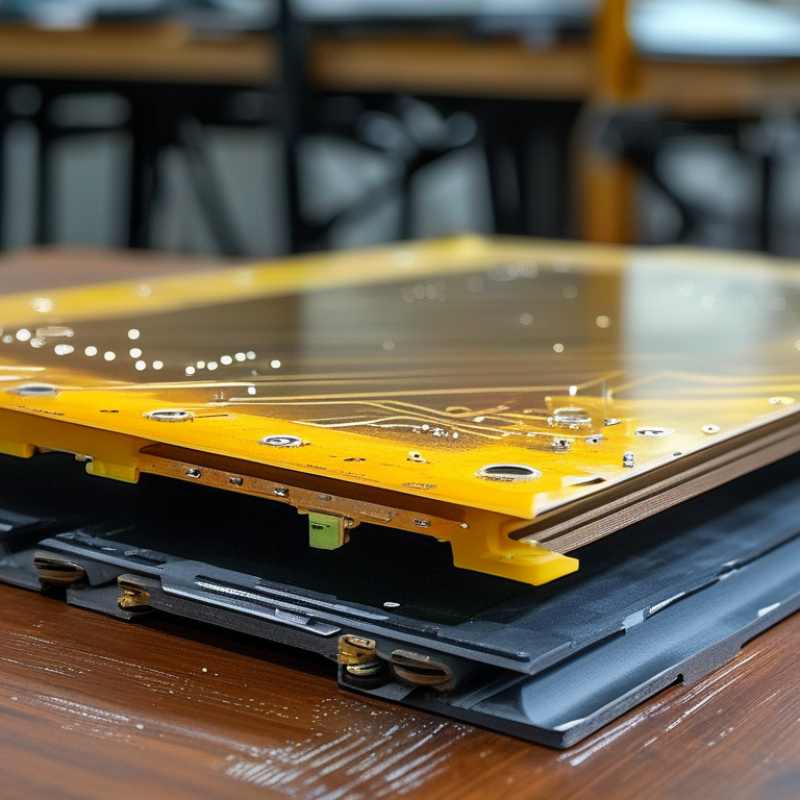
Advantages of Rigid Flex Boards in Modern Electronics
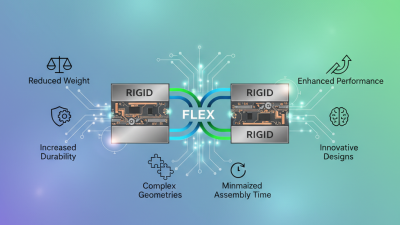
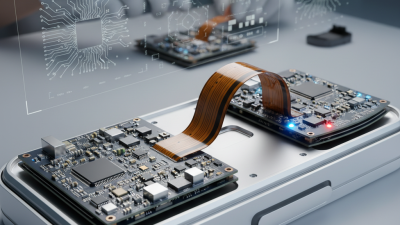
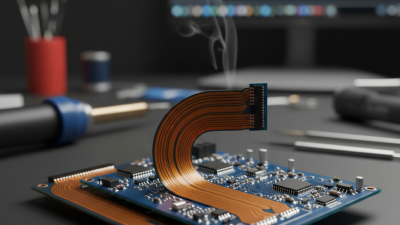
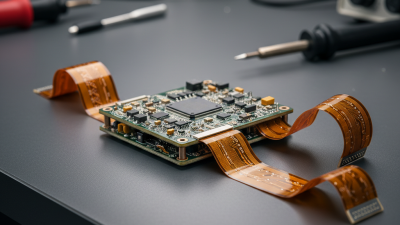
Rigid flex boards combine the advantages of rigid and flexible circuit designs, making them ideal for modern electronics. Their unique structure allows for complex shapes and configurations, which is essential for compact devices. This adaptability enables manufacturers to optimize their designs and maximize space.
These boards enhance durability and reliability. With fewer interconnects, there is a reduced risk of failure. This is crucial in critical applications where performance is non-negotiable. Rigid flex boards also withstand environmental stress better than traditional rigid boards, ensuring long-term functionality.
However, the manufacturing process can be more complex. This adds to the cost and requires skilled labor. Not every project may justify this investment. It’s essential to evaluate the trade-offs between cost and performance carefully. In doing so, you can make informed decisions tailored to your specific needs.
Key Applications of Rigid Flex Boards in Various Industries
Rigid flex boards are transforming various industries with their unique design and functionality. In medical devices, these boards provide flexibility and reliability in tight spaces. They enable essential equipment like portable ultrasound machines to function seamlessly. The combination of rigid and flexible circuits ensures durability while keeping the overall weight low, which is crucial for handheld tools.
In the aerospace sector, rigid flex boards are vital for lightweight and robust designs. Aircraft components often face extreme conditions. These boards can withstand high temperatures and mechanical stress. Their ability to integrate multiple functionalities into compact spaces makes them ideal for avionics systems. They help in enhancing performance while reducing the overall size of electronic systems.
Consumer electronics also benefit from the use of rigid flex boards. Smartphones use this technology to pack more features into slimmer profiles. This innovation allows manufacturers to create products that are not only sleek but also powerful. However, the challenge lies in ensuring that these boards maintain performance over time. As the demand for smaller devices increases, manufacturers must consistently innovate. Balancing size with reliability is an ongoing task that requires attention to detail and a commitment to quality.
Comparative Analysis: Rigid Flex vs. Traditional PCB Designs
Rigid flex boards offer distinct advantages compared to traditional PCB designs. Traditional PCBs are composed of rigid materials, limiting their flexibility in applications. In contrast, rigid flex boards combine both rigid and flexible substrates. This unique structure allows for innovative designs that can reduce the overall footprint of electronic devices. Their versatility enables them to fit into compact spaces, which is crucial for modern electronics.
One notable difference is connectivity. Traditional PCBs may require multiple interconnections, adding to the complexity and potential points of failure. Rigid flex boards, however, can simplify wiring and reduce assembly time. This efficiency can often lead to lower production costs. Despite these benefits, the manufacturing process for rigid flex boards can be more complicated. Designers may face challenges related to layer counts and the integration of different materials. These complexities might lead to increased costs if not managed efficiently.
In terms of durability, rigid flex boards outperform traditional designs in various environments. They resist mechanical stress due to their flexible sections, making them ideal for wearable technologies. However, they also demand a higher level of design expertise. This requirement can pose obstacles for some teams. Overall, while rigid flex boards offer many benefits, assessing project-specific needs and capabilities is critical before choosing the right design approach.
Why Choose Rigid Flex Board for Your Electronics Needs? - Comparative Analysis: Rigid Flex vs. Traditional PCB Designs
| Feature |
Rigid Flex PCB |
Traditional PCB |
| Weight |
Lightweight |
Heavier |
| Size Flexibility |
High |
Limited |
| Durability |
Excellent |
Standard |
| Manufacturing Cost |
Higher |
Lower |
| Complexity of Design |
More Complex |
Less Complex |
| Assembly Process |
Simplified |
Cumbersome |
| Applications |
Wearable devices, medical equipment |
Consumer electronics, basic devices |
Design Considerations for Implementing Rigid Flex Boards
When considering rigid flex boards for electronics, design is key. These boards blend the benefits of rigid and flexible circuits. Understanding the specific application is crucial. Flexibility can help save space and reduce weight, but it can be challenging to design for durability. Designers must consider how the board will endure mechanical stress over time.
Choosing materials carefully is essential. Proper substrate materials can enhance performance and reliability. Thicker materials may provide better rigidity but can reduce flexibility. Thermal management also plays a vital role. Rigid flex boards can deal with heat differently than traditional rigid boards. It’s important to account for thermal expansion in the design phase.
Achieving the right balance is not easy. Prototyping different configurations can provide insights into potential issues. Testing can reveal whether the board meets performance standards. Designers often learn through trial and error. This iterative process leads to refined designs that better meet user needs. Proper planning and foresight are crucial for successful implementation.
Challenges and Solutions in Rigid Flex Board Manufacturing
Rigid flex boards offer unique advantages for electronic applications. However, their manufacturing process presents various challenges. Depending on the complexity of the design, issues such as material selection, layer adhesion, and alignment can arise. Maintaining precision is vital, and any misalignment can compromise functionality.
Regular inspection during production helps mitigate these risks. Utilizing advanced imaging technology can improve alignment accuracy. It’s also beneficial to ensure proper training for staff. Experienced teams can identify and address potential problems early in production. This proactive approach can save time and resources.
Tip: Always perform test runs before full production. Testing can reveal flaws in the design that might not be visible otherwise. Additionally, staying updated with industry trends can aid in choosing the right materials. This knowledge helps in making informed decisions about future projects. Both challenges and solutions shape how the industry evolves, highlighting the need for continuous improvement.