Top Tips for Flexible PCB Fabrication in China?
The demand for flexible PCB fabrication has surged in recent years. According to a report by MarketsandMarkets, the global flexible printed circuit board market is projected to reach $29.3 billion by 2026, growing at a CAGR of 10.6%. This growth is fueled by advancements in consumer electronics, automotive applications, and wearable technology. China stands at the forefront of this industry, known for its cost-effective production and innovative designs.
In the realm of flexible PCB fabrication, quality and reliability are paramount. With the rapid evolution of electronics, manufacturers face challenges in maintaining consistent quality while scaling production. The complexity of designs and the need for precise manufacturing processes can lead to errors if not managed carefully. Industry leaders emphasize the importance of adhering to strict quality control standards to mitigate risks.
Collaboration with experienced suppliers is essential. A solid partnership can ensure access to the latest materials and technologies in flexible PCB fabrication. Yet, companies must remain vigilant. Not all suppliers meet high standards, which necessitates thorough due diligence. As the market continues to evolve, stakeholders should embrace both challenges and opportunities to drive innovations in flexible PCB fabrication.
Understanding the Basics of Flexible PCB Technology
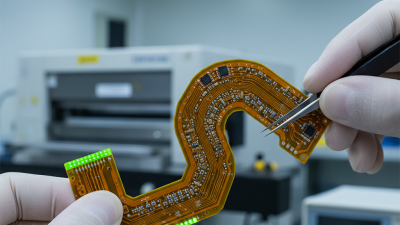
Flexible PCB technology has revolutionized the electronics industry, allowing for lighter and more compact designs. These circuits can bend and twist, making them ideal for modern devices. According to a report by Mordor Intelligence, the global flexible PCB market is projected to grow at a CAGR of around 14% from 2021 to 2026. This reflects the increasing demand for compact electronic components.
One of the primary benefits of flexible PCBs is their space-saving capabilities. They can be easily integrated into tight spaces, facilitating innovative designs in smartphones, wearables, and medical devices. However, manufacturing these circuits presents challenges. The materials used, such as polyimide and polyester, must balance durability with flexibility. Achieving this delicate balance often requires expertise, as subpar materials can lead to performance issues over time.
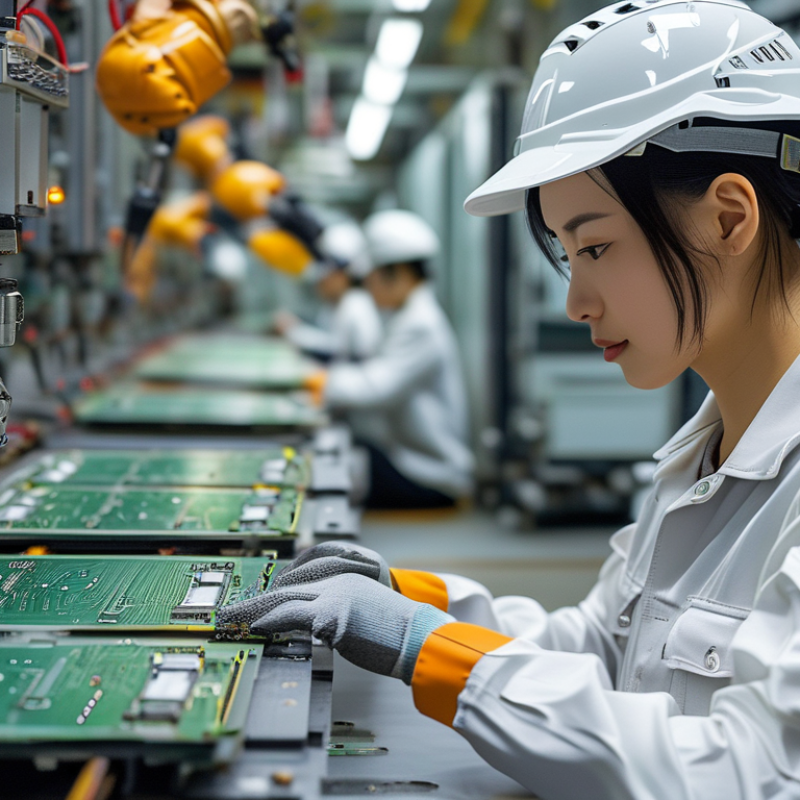
Another consideration is the fabrication process. Precision is vital, as any misalignment can cause failures. Many manufacturers in China invest in advanced machinery to improve accuracy. Yet, not all facilities adhere to the same standards. This inconsistency can result in quality disparities. It's essential to vet suppliers carefully and ensure they have a track record of reliable production. The journey in flexible PCB fabrication is fraught with complexities but offers substantial rewards for innovative thinkers.
Top Tips for Flexible PCB Fabrication in China - Understanding the Basics of Flexible PCB Technology
| Tip |
Description |
Benefits |
| Select Proper Material |
Use high-quality polyimide films for durability. |
Enhanced thermal stability and flexibility. |
| Design for Manufacturability |
Ensure design adheres to fabrication capabilities. |
Reduces production errors and costs. |
| Consider Layer Count |
Optimize the number of layers according to needs. |
Maximizes space and functionality. |
| Use Simulation Tools |
Employ software to predict performance of PCB. |
Saves time on iterations; enhances reliability. |
| Prototyping |
Create prototypes to test design before full production. |
Identifies issues and ensures design meets requirements. |
| Quality Control |
Implement rigorous testing standards during fabrication. |
Ensures high reliability and performance of PCBs. |
Key Considerations for Sourcing PCB Manufacturers in China
When sourcing PCB manufacturers in China, several key considerations arise. First, assess the manufacturer's experience in flexible PCB fabrication. Look for companies with a track record in this field. Examine their portfolio thoroughly. This provides insight into their capabilities and potential fit for your project.
Quality assurance is another crucial aspect. Ensure that the manufacturers adhere to international quality standards. Audit their production processes and ask about their testing methods. This step helps mitigate risks associated with subpar products. Communication plays a vital role too. Establish clear channels for discussing project specifications and timelines. Language barriers can lead to misunderstandings.
Moreover, consider scalability. Some manufacturers may excel at small batch production but struggle with larger orders. Discuss your long-term needs early on. This conversation aids in determining whether the partnership will be sustainable. Don't overlook customer support as well. Responsive communication channels can indicate a company's willingness to work closely with you throughout the fabrication process.
Designing for Manufacturability in Flexible PCB Production
Designing for manufacturability is crucial in flexible PCB production. One common challenge is achieving the right thickness. A thin PCB can bend easily, but can also be more fragile. Balancing flexibility and durability is vital. Designers should specify material properties that match the intended application. This eliminates potential issues during fabrication.
Another important factor is the layout. Keep critical components away from bending zones. This minimizes stress on connections. Using vias wisely can also improve reliability. Ensure the traces are optimized for current flow. Copper thickness is another detail that should not be overlooked. It affects both performance and manufacturability. Aim for a design that anticipates possible fabrication difficulties.
Testing the design before full production helps identify weaknesses. Prototyping can reveal flaws that may not be evident in theory. User feedback is invaluable in this stage. Even slight adjustments can lead to significant improvements. Design should allow for iterations based on practical insights and challenges faced during testing.
Top Tips for Flexible PCB Fabrication in China
Quality Control Measures in Flexible PCB Fabrication
Quality control is crucial in flexible PCB fabrication. This ensures that the final products meet industry standards and client expectations. Regular inspections during different stages of production can help identify any defects early. Employing skilled personnel who understand the nuances of flexible PCB technology is essential. They can conduct effective assessments to maintain quality.
Using advanced testing methods, such as X-ray analysis, can reveal hidden defects. These techniques are vital for ensuring that the PCBs perform as intended. However, not all manufacturers invest in these technologies. This can lead to compromised quality. Therefore, choosing a supplier who prioritizes quality control measures is vital.
Documentation is another critical aspect. It provides traceability of each fabrication batch. Proper records help in evaluating the production process over time. Occasionally, discrepancies may arise, highlighting areas needing attention. Addressing these issues head-on fosters improvement and builds trust with clients. Quality control in flexible PCB fabrication should always be viewed as an ongoing process rather than a one-time checkpoint.
Navigating Regulatory Compliance for Flexible PCBs in China
When dealing with flexible PCB fabrication in China, understanding regulatory compliance is crucial. Each project must adhere to local and international standards. This includes safety norms and environmental guidelines. Many manufacturers face challenges in interpreting these regulations. The complexity can lead to potential delays and extra costs. It's essential to stay informed and adapt to shifts in compliance requirements.
Navigating these regulations requires a proactive approach. Engage with local experts who understand the landscape. Experience shows that inadequate knowledge can hinder production timelines. Regular audits can identify compliance gaps early. This helps avoid penalties. Simulating compliance scenarios in the design phase can also be beneficial. It reduces the likelihood of rework later.
While the process can seem daunting, it is manageable. Open communication with regulatory bodies can ease uncertainties. Many businesses overlook this, creating avoidable stress. Taking steps to ensure compliance fosters reliability. It builds trust with partners and customers alike. Continuous learning and adaptation are key in this dynamic environment.