Top 10 PCB Manufacturing Companies in China for Global Buyers?
In the rapidly evolving world of PCB manufacturing, China has emerged as a dominant player. Recent reports indicate that China accounts for over 50% of the global PCB production market. This significant share is driven by its continuous investments in technology and infrastructure. Renowned industry expert Dr. Michael Wang once stated, “China's PCB manufacturing is not just about volume; it's about innovation and quality.”
The country's PCB manufacturers are known for producing high-quality products, meeting international standards. Companies like Foxconn and Zhen Ding Technology dominate the global supply chain. However, challenges remain. Quality control and intellectual property concerns linger, prompting scrutiny from international buyers. While many Chinese firms excel, some still struggle to maintain consistent quality.
Buyers must navigate this complex landscape carefully. Making informed decisions is crucial to selecting the right manufacturer. Understanding the strengths and weaknesses of each company can lead to better partnerships. The PCB manufacturing sector in China continues to grow, but due diligence is essential for global buyers seeking reliable partnerships.
Overview of PCB Manufacturing in China
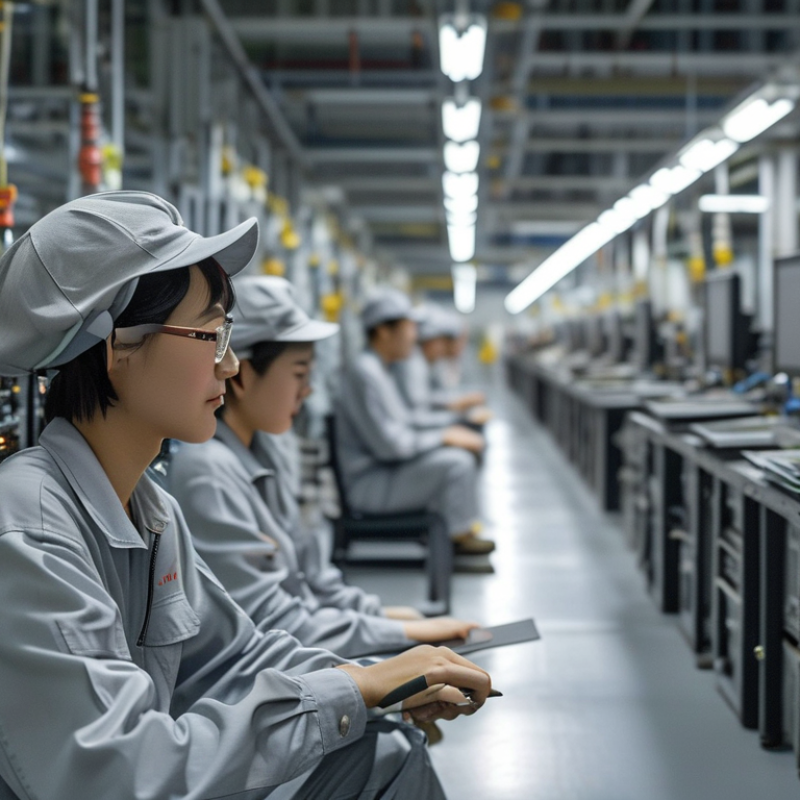
China remains a powerhouse in PCB manufacturing. Its vast industry supports global supply chains, providing essential components for electronics. In 2023, China's PCB market is projected to reach approximately $40 billion, according to industry analysts. This significant growth reflects increased demand from sectors like automotive, telecommunications, and consumer electronics.
Quality control in PCB manufacturing is crucial. Many companies face challenges in maintaining consistent standards. Reports indicate that about 25% of PCBs produced in China encounter defects during production. Improving processes and adopting advanced technologies can help reduce these rates. Many firms are investing in automation and AI to streamline operations.
Tip: When selecting a PCB manufacturer, assess their quality assurance processes. Look for certifications and client reviews to gauge reliability.
Moreover, supply chain disruptions, such as those caused by the COVID-19 pandemic, have affected raw material availability. Companies must adapt to fluctuating prices and shortages. This reality poses risks but also opportunities for innovation in sourcing and manufacturing.
Tip: Diversifying suppliers can mitigate risks associated with single-source reliance. A flexible approach will enhance resilience in your supply chain.
Top 10 PCB Manufacturing Companies in China - Production Capabilities
Criteria for Selecting Top PCB Manufacturers
When selecting a top PCB manufacturer in China, quality is paramount. A reliable manufacturer should possess ISO certifications. This certification ensures adherence to international quality standards. The IPC-A-600 standards, which outline acceptable quality levels for printed circuit boards, are also crucial. Companies get audited regularly to maintain these standards. Thus, checking for these certifications can reflect a manufacturer's commitment to quality.
Another important criterion is technological capability. The best manufacturers invest in advanced equipment and production techniques. According to industry reports, around 80% of successful manufacturers adopt automated production systems. These systems enhance precision and reduce human error. Additionally, a focus on R&D allows manufacturers to stay competitive. Suppliers that lead in innovation tend to outperform others.
Lastly, consider the manufacturer's experience and market reputation. Many of the top companies have decades of expertise. They cultivate a network that enhances their reliability. Reading client testimonials and expert reviews can offer insights. Some manufacturers may appear impressive on paper but have inconsistent delivery timelines. This inconsistency can disrupt global supply chains, causing unforeseen delays. Evaluating these factors will guide buyers toward making informed decisions.
List of Leading PCB Manufacturing Companies in China
China has become a key player in the global PCB manufacturing sector. With rapid advancements in technology, many companies are establishing themselves as leaders in this field. According to recent industry reports, China holds over 40% of the global PCB market share. This growth reflects the increasing demand for electronics across various sectors, from consumer devices to automotive applications.
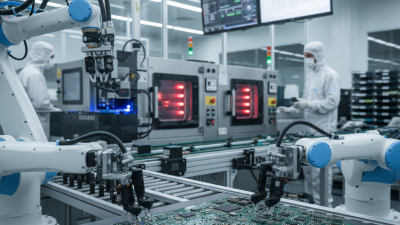
Leading PCB manufacturers in China focus on quality and innovation. They invest in advanced production techniques and materials. Many utilize automated processes to enhance efficiency. The production capacity is impressive, with some facilities producing millions of PCBs daily. However, the challenge remains in maintaining consistent quality amid high volume. Quality control measures are crucial but can vary among manufacturers.
Tips: When selecting a PCB manufacturer, assess their certifications and industry experience. Look for customer reviews and testimonials as indicators of reliability. It is beneficial to request samples to evaluate quality before placing larger orders. Consider audits of their production processes to ensure compliance with international standards. These steps can enhance the partnership's success and ensure satisfactory results.
Key Technologies and Innovations in PCB Production
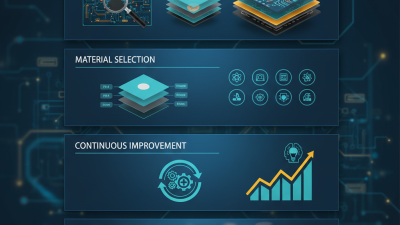
In the competitive landscape of PCB manufacturing, key technologies are shaping production standards. Advanced automation is one of the most significant trends. Automated processes improve production efficiency and reduce human error. Insights from industry reports indicate that automation can boost productivity by up to 30%. This shift allows manufacturers to respond quickly to market demands.
Another vital innovation is the use of high-frequency materials in PCBs. These materials enhance the performance of electronic devices, especially in communications and data transfer. A recent study highlights that PCBs made from such materials can improve signal integrity by up to 25%. However, the sourcing and processing of these materials can be challenging. This creates barriers for manufacturers aiming to adopt these technologies.
Sustainability is also gaining traction. Eco-friendly production methods are increasingly prioritized. Reports suggest that adopting green practices in PCB manufacturing can lower carbon footprints by 15%. Still, costs and the required adaptation can be hurdles. Manufacturers must weigh the benefits of innovation against these challenges to stay competitive in the global market.
Global Market Impact of Chinese PCB Manufacturers
Chinese PCB manufacturers play a significant role in the global market. Their impact extends beyond just production. They enhance the technology landscape with affordability and efficiency. For global buyers, the competitive pricing and rapid turnaround times are major advantages. Many companies rely on Chinese manufacturers for cost-effective solutions without compromising quality.
However, there are challenges to consider. Some manufacturers focus on volume over quality. This can lead to issues with reliability and performance. Buyers must conduct thorough due diligence. Evaluating certifications and industry standards is crucial. Transparency in manufacturing processes often varies, which adds complexity to supplier selection. Building strong partnerships with trustworthy manufacturers remains essential for success.
Additionally, geopolitical factors can disrupt the supply chain. Global buyers must remain vigilant about market shifts. Understanding the nuances of tariffs, trade policies, and economic conditions is vital. Navigating these issues requires a strategic approach. Companies should stay informed and adaptable to changes in the market. This awareness can mitigate risks and enhance collaboration with Chinese PCB manufacturers.