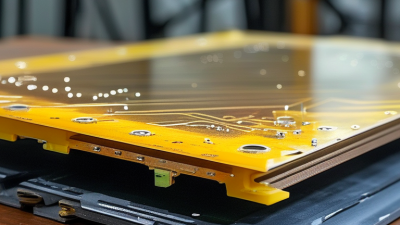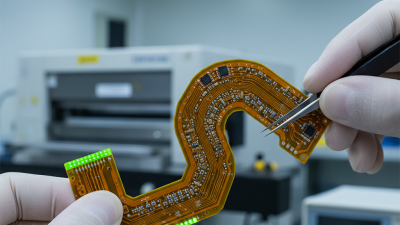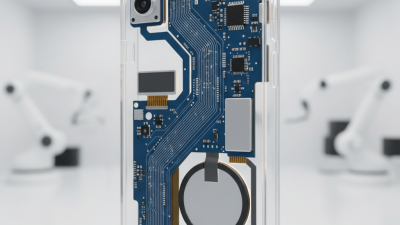
In recent years, the demand for rigid flex PCB has surged in various industries. As technology advances, electronics become more compact and versatile. Rigid flex PCBs meet these requirements through their unique combination of rigid and flexible substrates. This innovation allows for more efficient designs in products like smartphones and medical devices.
China stands out as a leading supplier in the rigid flex PCB market. Numerous companies specialize in manufacturing these advanced circuit boards. Buyers often seek reliable partners to ensure quality and consistency. However, with so many options available, identifying the best suppliers can be challenging. It's essential to consider factors like production capability and reputation.
Not all suppliers will meet expectations. Some may lack the necessary expertise or fail to deliver on time. Therefore, due diligence is crucial when selecting a supplier. Researching their track record and customer reviews can provide valuable insights. The right partner can significantly impact the success of your project involving rigid flex PCB technology.
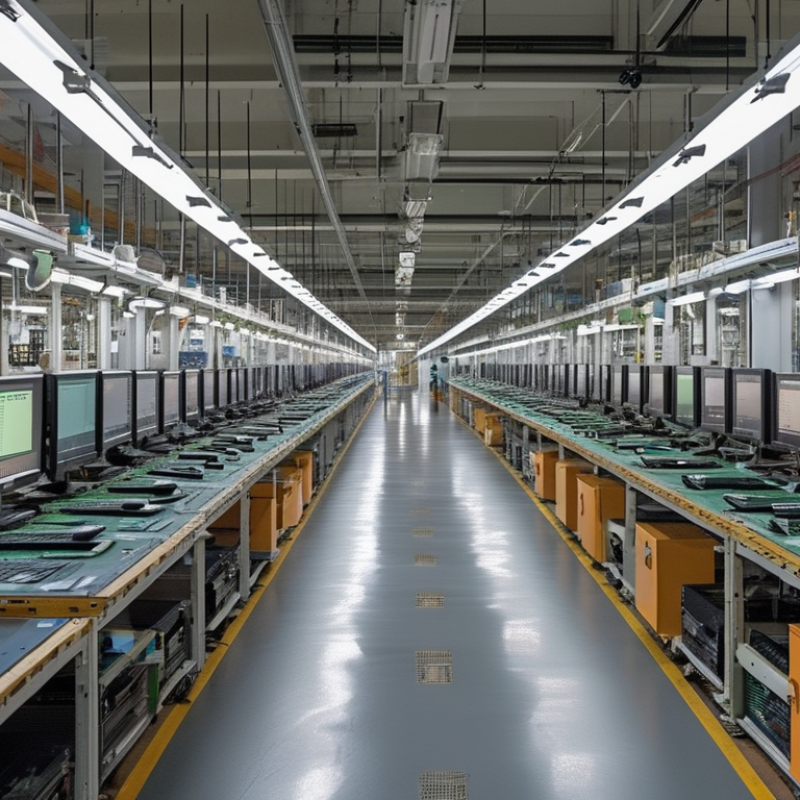
The rigid flex PCB market in China has seen notable growth, driven by increasing demand in sectors like automotive and consumer electronics. According to recent market analysis, the rigid flex PCB market is projected to reach approximately $18 billion by 2025. Rapid technological advancements and a shift towards miniaturization are significant factors in this expansion.
Chinese manufacturers play a critical role in supplying rigid flex PCBs globally. The integration of flexible materials with rigid boards allows for more compact designs. However, not all suppliers meet the highest quality standards. Quality control and consistency remain challenges that require careful evaluation. Some companies are adopting stricter manufacturing protocols, but issues like long lead times persist for many.
Additionally, while the production costs in China are relatively low, buyers should be wary of potential hidden costs in quality control. Communication barriers can also complicate relationships. It's essential for global buyers to conduct thorough due diligence to find reliable partners. Industry reports highlight the importance of verifying certifications and production capabilities to mitigate risks.

When choosing rigid flex PCB suppliers in China, several key criteria should be considered. Reliability remains paramount. A supplier's track record can provide insights into their quality and consistency. In 2022, a report indicated that 30% of PCB defects were linked to poor supplier practices. Assessing past performance helps mitigate risks.
Another crucial factor is technical expertise. Suppliers should demonstrate a strong understanding of the latest technologies and materials. The rigid flex PCB market is expected to reach $20.4 billion by 2027, driven by advancements in electronics. Suppliers who invest in innovation can offer better solutions that meet evolving customer needs.
Tips: Look for certifications. They indicate a supplier’s commitment to quality standards. Additionally, transparency in communication is essential. Clear dialogue ensures that expectations are aligned.
Consider geographic location as well. Proximity can affect lead times and shipping costs. Suppliers based in industrial hubs may have better access to resources and logistics. However, not all suppliers in these regions guarantee quality.
Ultimately, gathering references and evaluating customer feedback can help in making informed decisions. Insist on visiting facilities if possible. It provides a clearer picture of operational practices.
When searching for top rigid flex PCB manufacturers in China, buyers often encounter a crowded market. Each supplier promises quality and expertise, but not all can deliver. An analysis of several leading companies reveals distinct strengths and weaknesses. For example, some might excel in low-volume projects, while others focus on mass production.
Quality assurance processes are a crucial factor. Many manufacturers claim to implement strict testing protocols, yet inconsistencies can arise. These inconsistencies are often overlooked by buyers eager to finalize contracts. It’s vital to ask specific questions about material sourcing and production methods. Understanding these elements can help avoid potential pitfalls.
Innovative manufacturing techniques are also in play. Some suppliers leverage advanced technologies that improve efficiency and precision. However, the implementation of new processes can introduce risks. Not every provider has adapted successfully, which can lead to unexpected delays or increased costs. Seeking testimonials and case studies from previous clients can provide insight into a manufacturer's reliability.
The rigid flex PCB market in China is seeing significant growth, with projections indicating a compound annual growth rate (CAGR) of over 10% from 2023 to 2028. This increase is driven by the expanding demand in consumer electronics, telecommunications, and automotive sectors. According to a recent report by ResearchAndMarkets, the global rigid flex PCB market is anticipated to reach approximately $2.5 billion by 2028, highlighting the crucial role of Chinese suppliers in the global supply chain.
Several market trends are influencing this growth. First, manufacturers are increasingly focusing on miniaturization, which requires advanced PCB technology. This shift toward smaller and more efficient designs often leads to higher demand for rigid flex boards. Additionally, the rise of 5G technology and the Internet of Things (IoT) are pushing companies to adopt innovative solutions for connectivity and performance. Despite these advancements, challenges such as material costs and production complexities remain, requiring suppliers to adapt rapidly.
Amidst this dynamic landscape, buyers must consider not only quality but also the reliability of suppliers. Factors such as production capacity, lead times, and compliance with industry standards are critical. Establishing a robust partnership with a reliable supplier can influence overall success. The growth potential of the rigid flex PCB market in China offers opportunities but also presents hurdles that require careful navigation.
Rigid flex PCBs have become essential in various industries, thanks to their unique combination of flexibility and durability. As buyers search for reliable suppliers in China, understanding quality standards and certifications is vital. Various certifications signify a manufacturer’s commitment to high standards. For example, ISO 9001 ensures consistent quality management. There are other industry-specific certifications that guarantee performance and safety.
The process of obtaining these certifications involves strict adherence to guidelines. It requires regular audits, quality inspections, and documentation. However, many manufacturers face challenges. They may lack the expertise to maintain these standards. Some may cut corners in production to save costs, leading to inferior products. As a result, buyers must conduct thorough due diligence when selecting suppliers.
Thus, familiarity with the certifications relevant to rigid flex PCBs can enhance decision-making. Buyers should not only look at price but also consider quality. In an ever-evolving market, reliable suppliers are those who invest in proper certifications. Such investments reflect a commitment to quality, helping to foster long-term business relationships.