How to Choose a Rigid Flex Board Supplier in 2026?
Choosing a rigid flex board supplier in 2026 requires more than comparing unit prices. It demands evidence, traceability, and practical engineering judgment. IPC’s 2024 World PCB Production Report shows that Asia remains the dominant center for PCB manufacturing. That concentration creates strong capacity, but it also increases the need for careful supplier verification. MarketsandMarkets projects the flexible electronics market to grow from approximately USD 29.7 billion in 2023 to USD 47.5 billion by 2028. Growth is attractive. Quality risks remain.
Joe Fjelstad, a recognized flexible-electronics expert, has said, “Flexible circuits are an enabling technology, not merely a substitute for wires.” His point matters when evaluating a rigid flex board partner. The supplier should understand bend radius, coverlay control, via reliability, impedance requirements, and thermal expansion. Ask for cross-section samples. Request first-article data. Review testing records, not polished promises. IPC-2223 and IPC-6013 can help buyers compare design and qualification practices. However, standards alone do not guarantee consistent production.
A capable supplier should also explain material choices clearly. Polyimide thickness, copper weight, adhesive systems, and stiffener design affect reliability. So does factory discipline. Look for automated optical inspection, microsection analysis, thermal cycling, and documented corrective actions. A supplier with strong engineering support may prevent expensive redesigns. A low quote may hide weak process control. This is where many purchasing teams misjudge value. I would not treat one audit, one sample, or one certification as conclusive evidence. Supplier selection is an ongoing review, not a one-time decision.
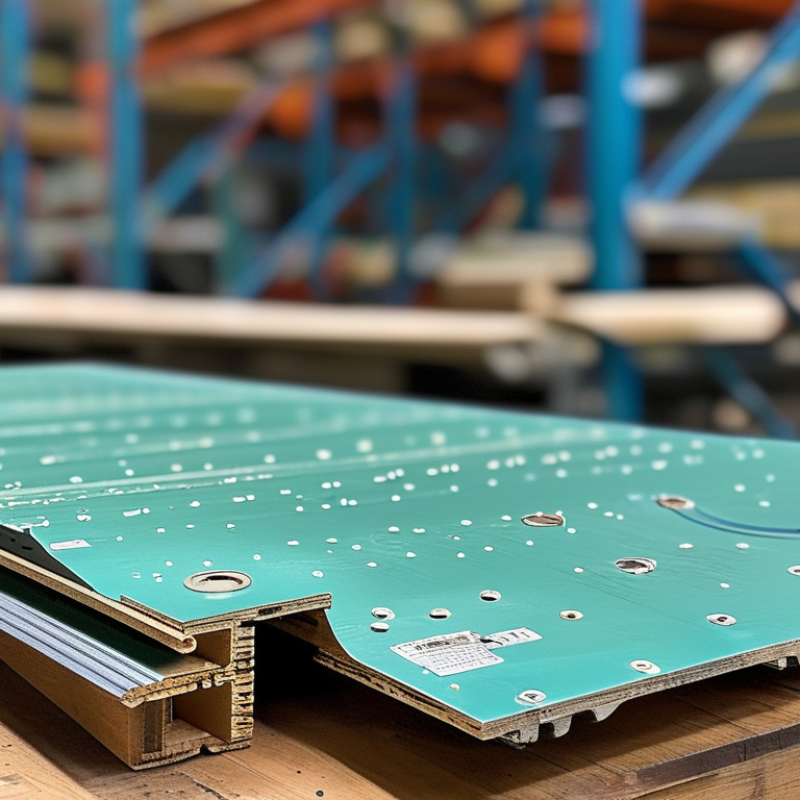
What Is a Rigid-Flex Board Supplier and Why Does Selection Matter in 2026?
A rigid-flex board supplier does more than fabricate circuit boards. It helps convert a layered design into a reliable product. Services may include material selection, stack-up review, fabrication, assembly, and electrical testing. In 2026, this role matters because products are becoming smaller, lighter, and more connected. A weak supplier can turn a clean design into cracked bends, unstable impedance, or costly delays.
Look for evidence, not attractive promises. Ask for process controls, inspection records, traceability, and experience with your bend radius and layer count. Review how the supplier manages copper thickness, adhesive flow, via reliability, and repeated flexing. Request sample sections and test data. Production equipment matters, but skilled engineers matter more. Clear communication matters too.
Small details often reveal reliability.
During a supplier review, check whether engineers explain failure risks in plain language. Ask how they respond when drawings conflict with manufacturing limits. A useful supplier will recommend changes before tooling begins. Still, no supplier is perfect. One overlooked tolerance can survive several design reviews. I have learned that documented corrective actions are more valuable than confident claims. Verify delivery history, quality metrics, and pilot-run results before approving volume production. A supplier should welcome difficult questions, even when the answers expose weaknesses.
Evaluate Supplier Expertise, Technology, and Production Capabilities
How to Choose a Rigid Flex Board Supplier in 2026?
Evaluate Supplier Expertise, Technology, and Production Capabilities
Rigid-flex boards demand more than standard PCB experience. Supplier engineers must understand bend radius, layer transitions, copper balance, and adhesive behavior. Ask for cross-section drawings, impedance records, and reliability test results. Look beyond the sample.
The WSTS Spring 2024 forecast projected global semiconductor sales at 611.2 billion dollars in 2024, a 16% annual increase. Such growth can pressure lead times and quality systems. A capable supplier should show material planning, backup processes, and realistic capacity data. Ask for evidence.
Production technology matters at every step. Check laser drilling, sequential lamination, coverlay alignment, plating control, and automated optical inspection. IPC’s PCB Technology Roadmap identifies high-density integration, advanced materials, and reliability as continuing industry priorities. These priorities directly affect rigid-flex yields.
Request data from pilot lots, not only polished samples. Review first-pass yield, defect categories, rework rates, and field-return analysis. The supplier should explain how tests reflect your actual bend cycles and operating temperature. A laboratory report may look convincing but miss the mechanical stress of installation.
Experience also needs verification. Speak with process engineers, inspect calibration records, and compare stated tolerances with measured results. An honest supplier will identify limits instead of promising everything. That answer may feel less impressive, but it is often more reliable.
How to Choose a Rigid-Flex Board Supplier in 2026?
Evaluate suppliers using a balanced scorecard covering engineering expertise, manufacturing technology, process control, and delivery capability. The weights below are a practical buyer-defined framework totaling 100 points, not company or market-share data.
Prioritize suppliers that can provide documented DFM support, controlled rigid-flex stackups, laser-drilled microvias, IPC-aligned quality procedures, traceability, and evidence of stable production capacity.
Verify Quality Standards, Certifications, and Supply Chain Reliability
Choosing a rigid-flex board supplier in 2026 requires evidence, not polished presentations.
Start with IPC-6013 and IPC-A-600 compliance for flex construction and acceptance criteria. Ask for current ISO 9001 certification, certificate scope, registrar details, and recent audit findings. Automotive projects may require IATF 16949. Medical applications need stricter documented controls.
Look beyond logos. Request a traceability example linking one finished board to laminate, adhesive, operator, equipment, and inspection data. Review impedance results, bend-cycle testing, microsections, solderability records, and calibration dates. A supplier should explain its control of coverlay alignment, plated vias, copper thickness, and stiffener bonding. Short answers are warning signs.
Supply continuity deserves equal attention. McKinsey’s 2023 Global Supply Chain Leader Survey found that 95% of respondents experienced supply chain challenges during the previous year. Ask whether the supplier has qualified second sources for copper foil, polyimide, adhesives, and surface finishes. Check average lead time, capacity utilization, safety stock, disaster recovery tests, and engineering-change notifications. The BCI Supply Chain Resilience Report also identifies disruption visibility as a persistent weakness across industries. No audit is perfect. A certificate can remain valid while daily process discipline declines. I would treat missing calibration records or unexplained yield swings as serious risks, even when sample boards look excellent. Suppliers should provide measurable corrective actions, not promises.
Compare Total Costs, Support Services, and Long-Term Partnership Value
Choosing a rigid-flex board supplier in 2026 requires more than comparing unit prices. A low quote may exclude tooling, testing, packaging, engineering changes, or expedited freight. Request a cost breakdown for prototypes and production. Check yield assumptions, material grades, layer counts, and minimum order quantities. A supplier with stable yields can reduce the real cost over several production cycles. Ask for inspection records and traceability.
Tips:
Compare five-year value, not only the first invoice. Measure response times, design-review quality, failure analysis, and change-control discipline. Ask how engineers handle tight bends, adhesive failures, impedance variation, and thermal stress. Support matters when a board fails after assembly. Confirm whether the supplier provides documented corrective actions and practical redesign options. Keep communication clear.
I once focused too heavily on quoted price. That decision created delays and extra inspection work. It looked efficient on paper. It was not. A strong supplier should explain risks before accepting the order. Review sample reports, process controls, and production capacity. Verify certifications relevant to your market, plus secure handling of design data. Also discuss forecast flexibility. Demand rarely follows the original spreadsheet. A long-term partner should adjust responsibly without hiding fees. Trust develops through measurable performance, honest limitations, and consistent technical support.