
China Top 10 Rigid Flex PCB Suppliers?

China has become a major manufacturing base for high-density flexible and rigid circuit assemblies. Its supplier landscape is broad, but capability varies sharply.

This guide examines ten leading companies serving the pcb rigid flex market. It considers engineering depth, material control, layer-count capability, prototype support, production capacity, and international quality systems. Certifications matter, but they do not tell the entire story. A factory may display impressive credentials while struggling with tight bend radii or stable impedance.

Dr. John H. Lau, a widely recognized electronics-packaging authority, has stated, “Reliability must be designed in, not tested in.” That principle is central to rigid-flex evaluation. Reliable suppliers control copper stress, adhesive flow, laser-drilled vias, and coverlay alignment before final inspection. Their teams also examine thermal cycling, flex endurance, solder-joint fatigue, and dimensional stability.

The ranking therefore looks beyond marketing claims. It compares documented experience, technical communication, factory resources, and customer-facing consistency. Sample quality is important. So is repeatability.

A beautiful prototype can mislead.

Buyers should review inspection reports, stack-up drawings, material certifications, and corrective-action records. They should also confirm whether production occurs in-house or through undisclosed subcontractors. That detail can affect traceability, delivery confidence, and engineering accountability.

This list is not absolute. Supplier strengths change with equipment investment, management decisions, and market demand. Some companies excel in medical electronics, while others perform better in automotive, aerospace, industrial controls, or consumer devices. The most suitable partner depends on application risk, volume, budget, and design complexity. Even this evaluation may overlook smaller specialists with excellent regional reputations. That limitation deserves honest attention.

China Top 10 Rigid Flex PCB Suppliers?

What Is a Rigid-Flex PCB and Where Is It Used?

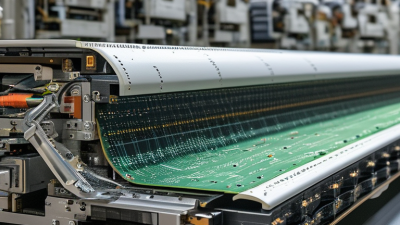
A rigid-flex PCB combines rigid circuit boards with flexible polyimide sections. It bends, folds, and carries signals through compact assemblies. Unlike a cable joined to separate boards, it creates one continuous electrical structure.

In practical electronics design, rigid-flex boards reduce connectors, wiring, and assembly space. Engineers use them in cameras, medical instruments, industrial controls, vehicles, and portable devices. A folded section may pass through a narrow hinge or wrap around a battery. The rigid areas support components, while the flexible zones absorb movement and vibration.

Good results depend on more than copper layout. Designers must control bend radius, layer balance, adhesive flow, and impedance requirements. A flex area bent too tightly can develop hidden cracks after repeated movement. It may pass initial testing.

That is the concern.

Reliable suppliers usually verify materials, drilling accuracy, plating thickness, and finished dimensions. They also use electrical tests and controlled bending evaluations when the application requires frequent motion. I have found that early mechanical samples often reveal problems that software models miss. A connector may fit on screen but collide with a housing edge during assembly.

Rigid-flex technology can simplify a product, but it also demands disciplined design reviews. Material selection should match heat, moisture, vibration, and expected service life. Cutting costs too early may create expensive repairs later.
Rigid-Flex PCB: Typical Construction Parameters

Rigid-flex PCBs combine rigid board sections, commonly based on FR-4, with flexible sections, commonly based on polyimide. The chart presents representative engineering ranges used in practical designs; exact values vary by stack-up, copper weight, bend type, and application.

How to Evaluate Rigid-Flex PCB Suppliers in China

How to Evaluate Rigid-Flex PCB Suppliers in China

Evaluating rigid-flex PCB suppliers requires more than comparing quotations. Review their experience with mixed rigid and flexible zones, tight bend radii, fine-pitch components, and controlled impedance. Ask for anonymized cross-section drawings and production photographs. These details often reveal whether engineering knowledge is genuine.

Check the supplier’s material control carefully. Flexible polyimide, adhesive systems, copper thickness, and coverlay choices affect bending life. Request material certificates, lot traceability, and documented storage conditions. A reliable factory should explain how it controls drilling, lamination, etching, and flex-area handling. Small details matter. A scratched coverlay can cause failure after repeated movement.

Quality evidence should include electrical testing, microsection analysis, solderability checks, and bend-cycle data. Review acceptance standards before sampling. Also examine how the supplier handles engineering changes, nonconforming units, and corrective actions. A polished sample can mislead. Pilot production is more revealing than a sales presentation. Ask for an audit, but do not treat one clean visit as permanent proof. Manufacturing conditions can change. Communication deserves measurement too: record response times, revision accuracy, and whether questions reach qualified engineers. A low quotation may look attractive, yet hidden yield losses can make it expensive. I would also challenge my own evaluation, because technical confidence sometimes replaces verified evidence.

China’s Top 10 Rigid-Flex PCB Suppliers

China’s Top 10 Rigid-Flex PCB Suppliers are best assessed through capability, consistency, and verified production data. Rigid-flex boards combine flexible polyimide sections with rigid layers, supporting compact medical, automotive, and aerospace electronics. IPC reports that electronics manufacturers increasingly prioritize traceability, process control, and advanced interconnection reliability. These factors matter more than factory size alone.

A practical supplier review should examine layer-count experience, minimum bend radius, impedance control, and thermal cycling results. It should also verify certifications, laboratory equipment, and failure-analysis procedures. According to Prismark’s 2024 PCB industry forecast, global PCB revenue is expected to grow steadily after the 2023 slowdown. China remains a major manufacturing base, supported by dense material, tooling, and assembly networks. That advantage can shorten engineering feedback cycles.

The strongest candidates among China’s top ten suppliers usually provide controlled-depth drilling, laser via processing, stiffener bonding, and automated optical inspection. Sample quality should be checked under repeated flexing, not only visual inspection. IPC reliability guidance highlights solder-joint fatigue, delamination, and conductor cracking as important risk areas. However, public rankings are rarely fully transparent. A few data gaps remain. Buyers should compare recent audit records, first-pass yield, delivery history, and corrective-action reports before approving production. Supplier claims can sound precise, yet factory evidence may tell a different story.

Comparing Capabilities, Certifications, and Production Strengths

When comparing China’s top rigid-flex PCB suppliers, assess capabilities before production volume. A reliable supplier should handle fine-pitch designs, laser drilling, controlled impedance, and multilayer stackups. Ask for sample cross-sections, bend-radius data, and finished-board inspection records. These details reveal process discipline better than impressive factory photographs.

Certifications also require careful checking. Look for valid ISO 9001 systems and relevant IPC process controls. Automotive projects may require IATF 16949, while medical applications demand stronger traceability and change management. Confirm certificate scopes, expiration dates, and issuing bodies. Production strength includes lamination capacity, automated optical inspection, electrical testing, and stable material sourcing. Factory visits can expose bottlenecks, but visits alone prove little. I have seen excellent samples hide weak volume control. That risk deserves attention.

Tips: Request a pilot batch before signing a large order. Compare first-pass yield, delivery consistency, and defect explanations. Ask how engineers manage layer alignment, adhesive flow, and repeated flexing. Suppliers should provide measurable answers, not vague confidence. Also review their engineering response time. A fast quotation is useful, but a clear design-for-manufacturing review is more valuable. Keep records of every revision. Small changes can affect reliability.

How to Select the Right Chinese Rigid-Flex PCB Supplier

Choosing among China’s top 10 rigid-flex PCB suppliers requires more than comparing prices. Prismark’s 2024 electronics industry review placed global PCB sales near US$70 billion in 2023. This scale creates strong manufacturing depth, but also uneven process control. Ask each supplier for recent rigid-flex examples, not generic PCB photos. Review layer counts, minimum bend radius, copper thickness, impedance control, and yield data.

A capable supplier should align production with IPC-2223 and IPC-6013 requirements. Request material certificates, controlled impedance reports, solderability results, and lot-level traceability. For medical, aerospace, or automotive designs, check documented quality systems and change-control procedures. A factory tour, physical or remote, can reveal panel storage, cleanliness, drying ovens, and inspection discipline. Small details matter.

Prototype testing should include repeated bending, thermal cycling, insulation resistance, and cross-section analysis. I have seen attractive samples fail after assembly because the stiffener transition was poorly designed. That mistake is expensive. Ask for a design-for-manufacturing review before tooling begins. Confirm whether engineers explain risks clearly or simply accept every drawing. The latter sounds convenient, but it may hide future defects. Supplier scorecards should weight quality, engineering response, delivery stability, and corrective-action speed—not quotation alone. Data from IPC’s 2024 electronics industry surveys also supports monitoring demand volatility and lead-time pressure during supplier evaluation. A spreadsheet helps, but it cannot replace evidence from production.

China Top 10 Rigid Flex PCB Suppliers? - How to Select the Right Chinese Rigid-Flex PCB Supplier
Anonymized supplier comparison based on practical rigid-flex PCB selection criteria
Rank Supplier Profile Primary Production Focus Rigid-Flex Layer Capability Typical Board Thickness Fine-Line Capability Prototype Lead Time Mass-Production Lead Time Quality Systems Engineering Support Export Experience Indicative Selection Score
1 Supplier Profile 01 Automotive, industrial control, high-reliability electronics 2–24 layers; multilayer rigid-flex 0.40–3.20 mm 100/100 μm trace and space 7–10 working days 20–28 working days ISO 9001, ISO 14001, IATF 16949 DFM review, stack-up design, impedance control North America, Europe, Asia-Pacific 94/100
2 Supplier Profile 02 Consumer electronics, wearable devices, compact modules 2–20 layers; dynamic-flex assemblies 0.30–2.50 mm 75/75 μm trace and space 8–12 working days 22–30 working days ISO 9001, ISO 13485 Material selection, bend-radius analysis, DFM review Europe, North America, Southeast Asia 92/100
3 Supplier Profile 03 Medical equipment, instrumentation, laboratory electronics 2–18 layers; controlled-impedance designs 0.35–2.80 mm 100/100 μm trace and space 10–14 working days 24–32 working days ISO 9001, ISO 13485, traceability procedures Design review, documentation control, test planning Europe, North America 91/100
4 Supplier Profile 04 Telecommunications, networking, data-processing equipment 4–30 layers; high-density rigid-flex 0.45–3.50 mm 75/75 μm trace and space 9–13 working days 23–31 working days ISO 9001, ISO 14001, IATF 16949 Impedance modeling, signal-integrity review, DFM support Global export markets 90/100
5 Supplier Profile 05 Industrial automation, power management, control systems 2–16 layers; heavy-copper rigid-flex options 0.50–4.00 mm 125/125 μm trace and space 7–11 working days 20–29 working days ISO 9001, ISO 14001 Thermal review, manufacturability analysis, test support Europe, North America, Asia-Pacific 88/100
6 Supplier Profile 06 Automotive electronics, sensors, lighting modules 2–20 layers; static and dynamic rigid-flex 0.40–3.00 mm 100/100 μm trace and space 10–14 working days 25–35 working days ISO 9001, IATF 16949 Automotive documentation, process validation, DFM review Europe, North America, East Asia 87/100
7 Supplier Profile 07 Prototypes, low-volume production, engineering validation 2–12 layers; standard rigid-flex structures 0.40–2.40 mm 125/125 μm trace and space 5–8 working days 18–25 working days ISO 9001 Rapid quotation, stack-up advice, prototype DFM review North America, Europe 85/100
8 Supplier Profile 08 LED systems, consumer products, embedded electronics 2–14 layers; cost-optimized rigid-flex 0.35–2.60 mm 125/125 μm trace and space 8–12 working days 21–30 working days ISO 9001, ISO 14001 Material alternatives, cost engineering, DFM review Asia-Pacific, Europe 83/100
9 Supplier Profile 09 Security equipment, smart devices, communication modules 2–16 layers; mixed rigid-flex constructions 0.35–2.80 mm 100/100 μm trace and space 9–13 working days 23–32 working days ISO 9001, environmental management procedures Gerber review, material verification, yield improvement Europe, North America, Southeast Asia 81/100
10 Supplier Profile 10 General electronics, replacement parts, small-batch assemblies 2–10 layers; standard rigid-flex designs 0.45–2.20 mm 150/150 μm trace and space 8–15 working days 24–35 working days ISO 9001 or equivalent documented QMS Basic DFM review; advanced engineering support to be confirmed Selected overseas markets 78/100
Selection note: Capability figures are practical benchmark ranges for supplier screening. Before placing an order, verify current certifications, material availability, bend-radius limits, test coverage, production samples, quality records, and delivery performance directly with each supplier.

Search our website